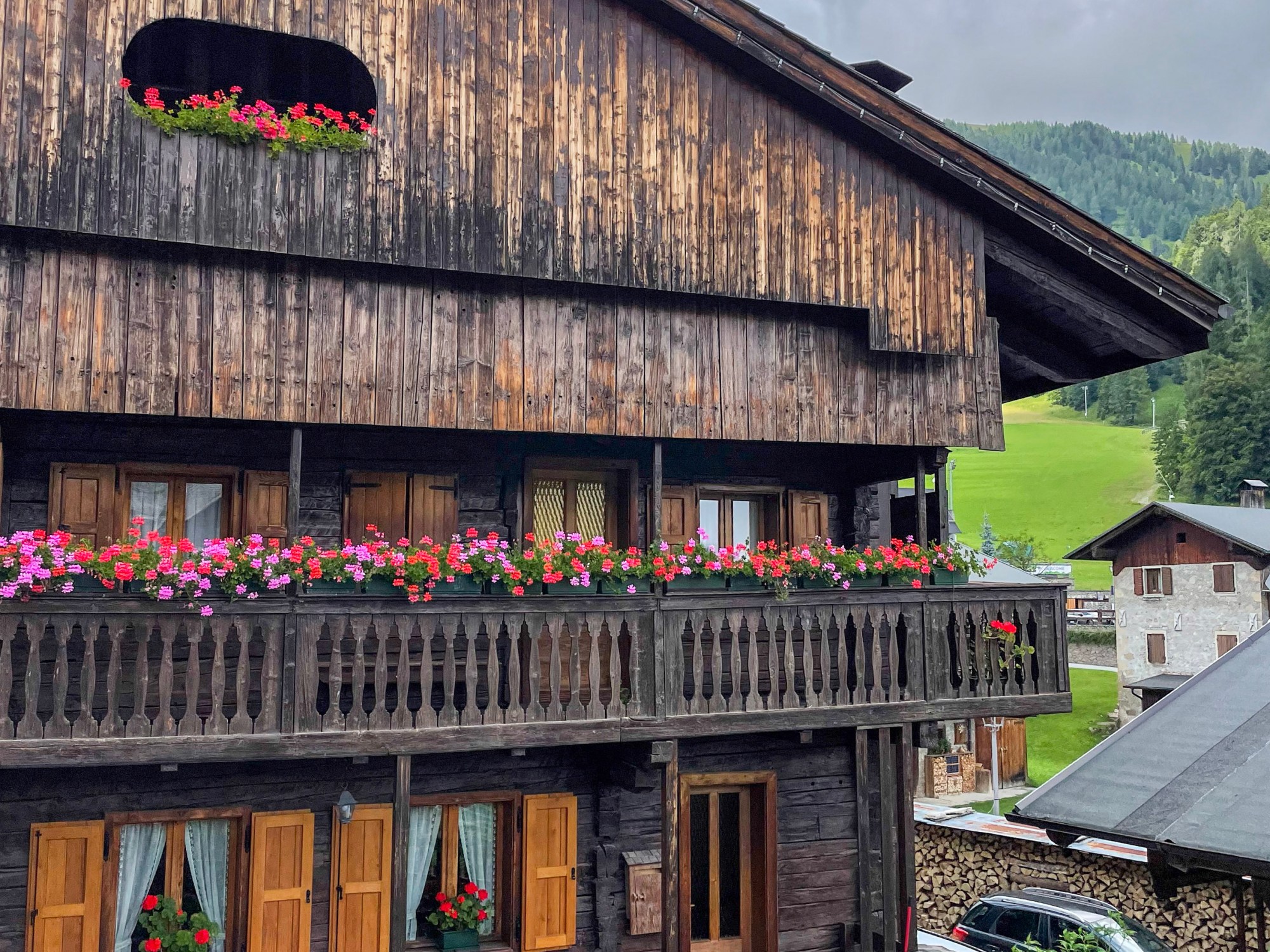
The Italian region of Friuli Venezia Giulia, tucked in the northeast corner of Italy, has become a favorite destination for weekend getaways from our home in Verona. Within a few hours we can be in world-class wine country, important historic cities, Roman sites, beaches, or mountains. After we had spent time exploring some of the central and southern parts of the region, we decided it was time to check out Friuli’s mountains, and we chose to go to Sauris (also called Zahre in the local dialect), a town high in the Carnic Alps.
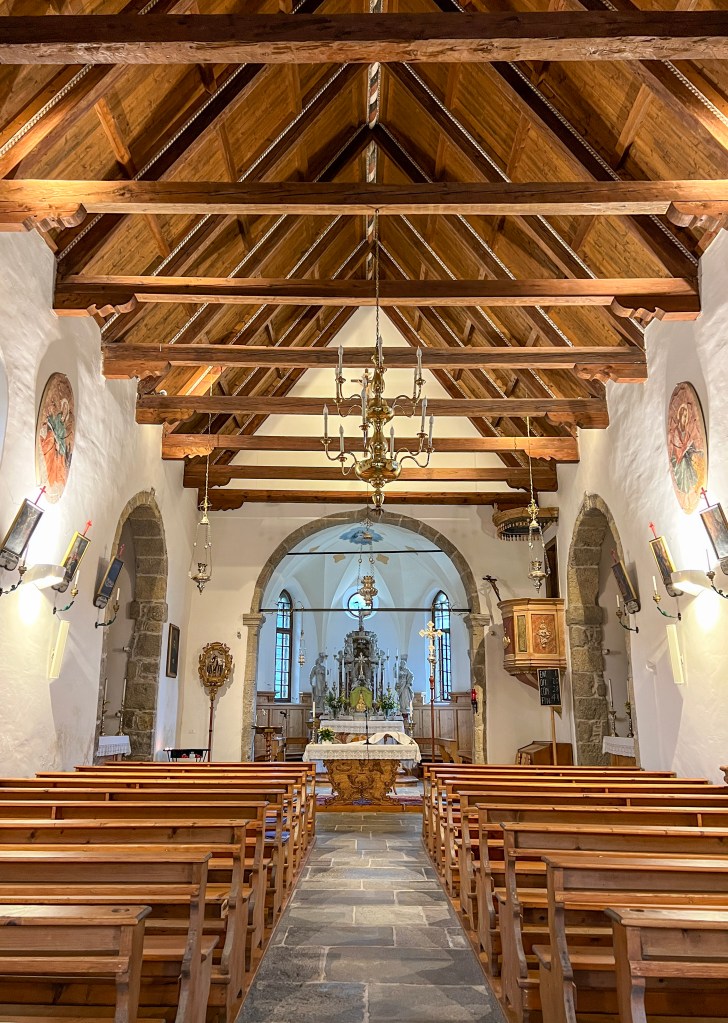
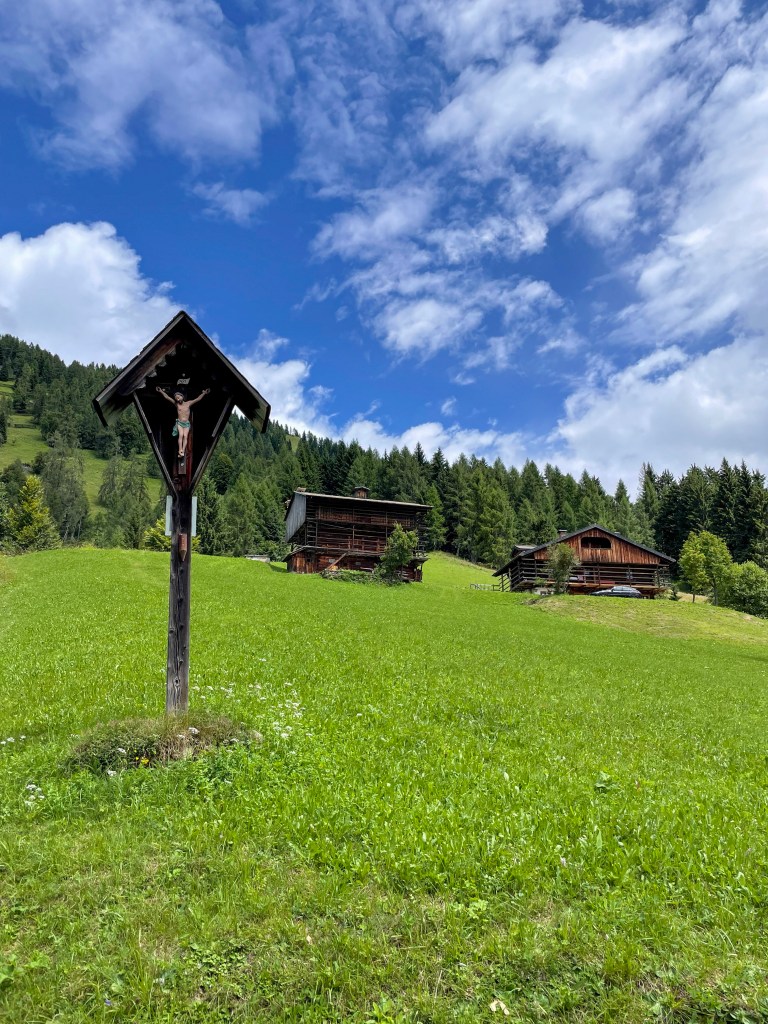
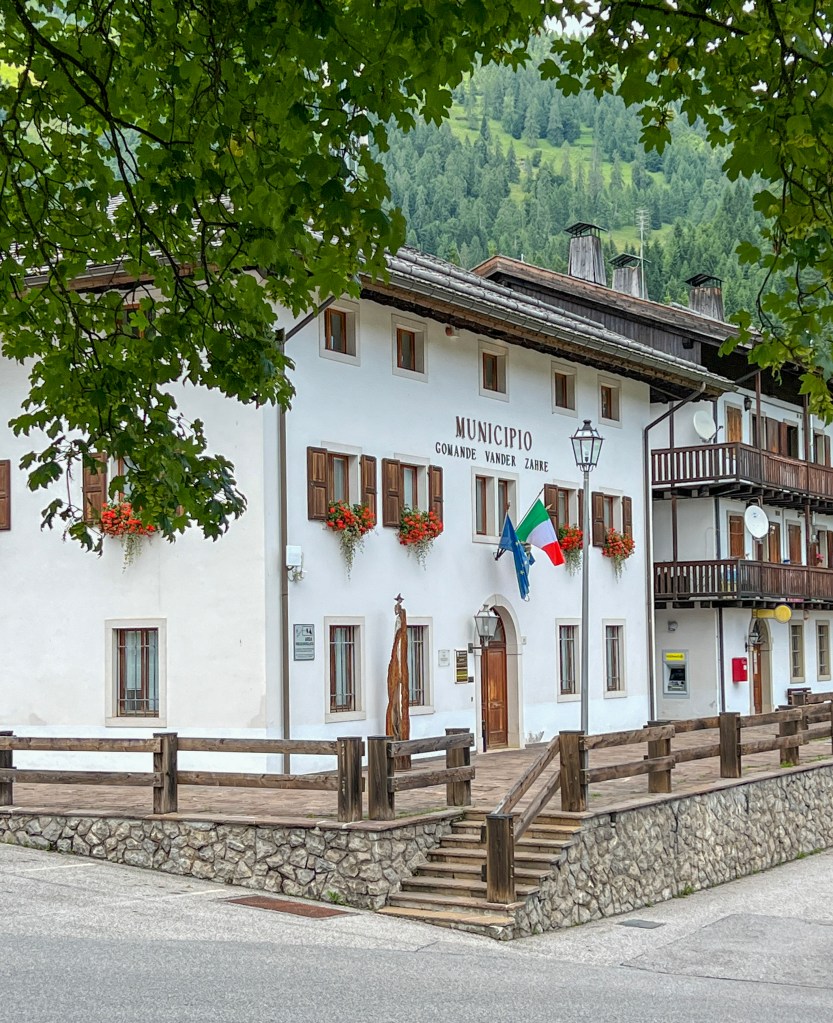
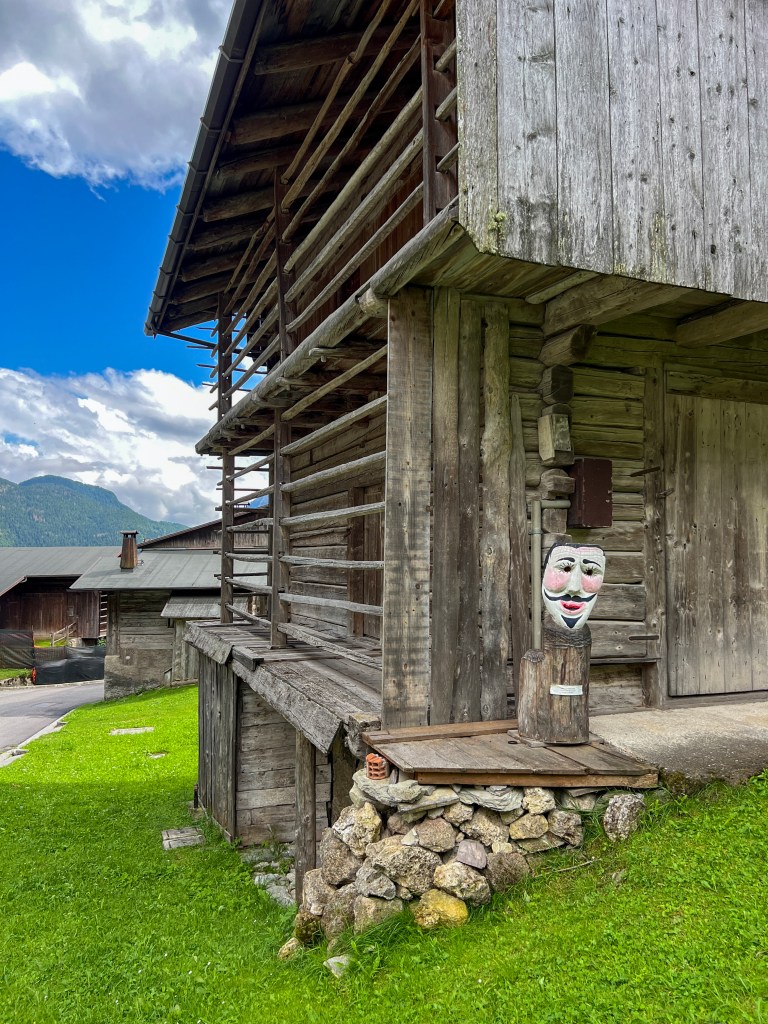
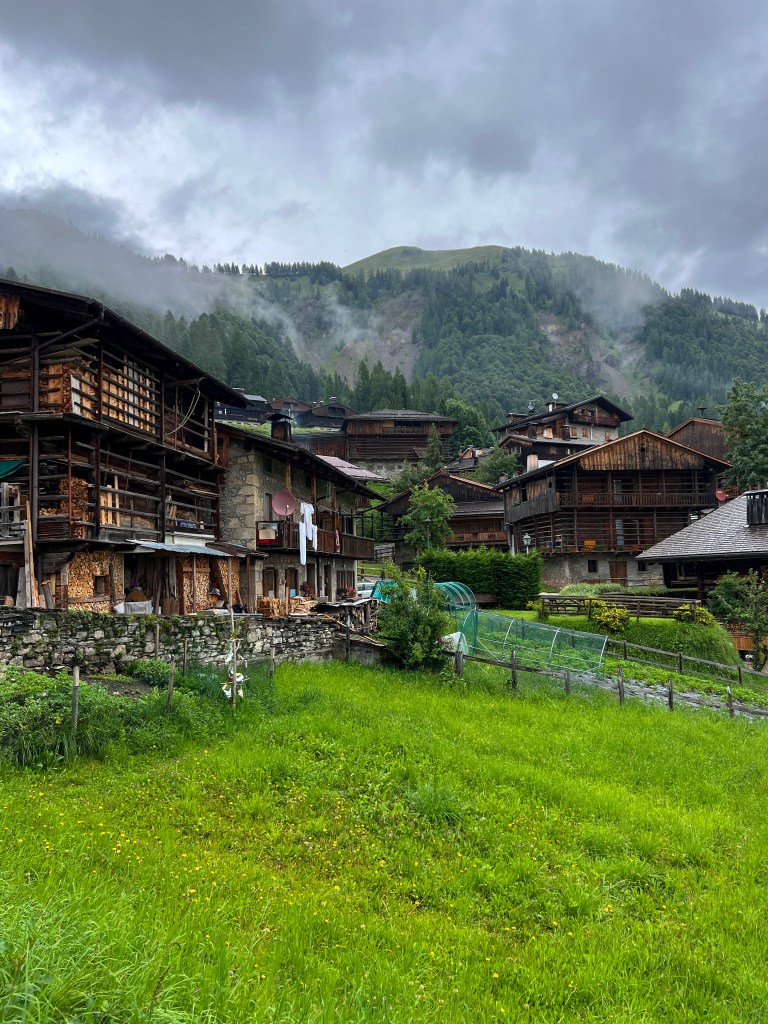
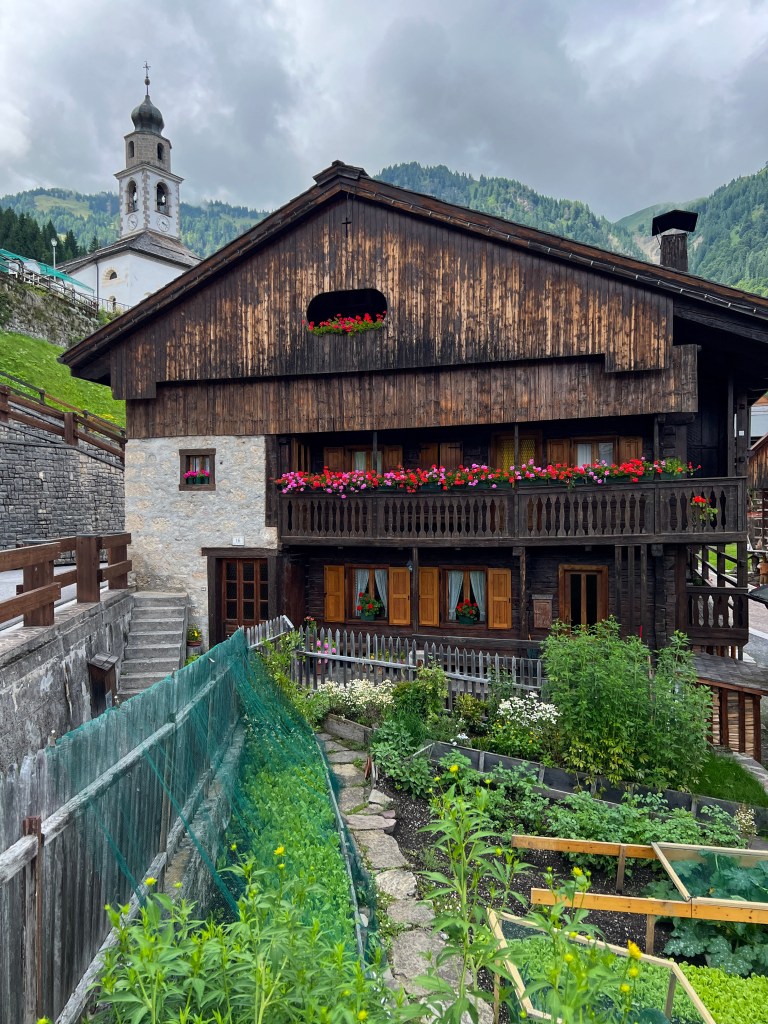
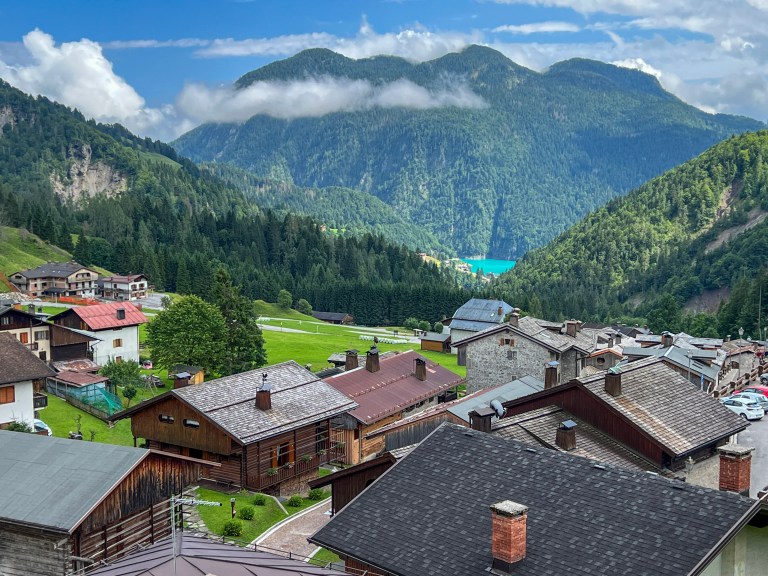
Sauris piqued our interest for a few reasons. The United Nations World Tourism Organization honored the town as a “Best Tourism Village,” recognizing their model of sustainable tourism, the rich cultural and natural assets of the region, and preservation of local values and lifestyles. We were also intrigued by the linguistic history in Sauris – originally settled in the 13th century by German speakers from the north, the isolated region because a linguistic island and locals today speak a dialect called Saurano that has similarities to the German that would have been spoken eight centuries ago. Not to mention that the villages in the region looked charming, the landscape beautiful, the food delicious, and it is a lesser known area, even for those who live in Italy!
What to See & Do
Sauris is a municipality that consists of a few small villages, with the two primary being Sauris di Sotto (the lower village) and Sauris di Sopra (the upper village). Most of the activities are in or between these two villages.
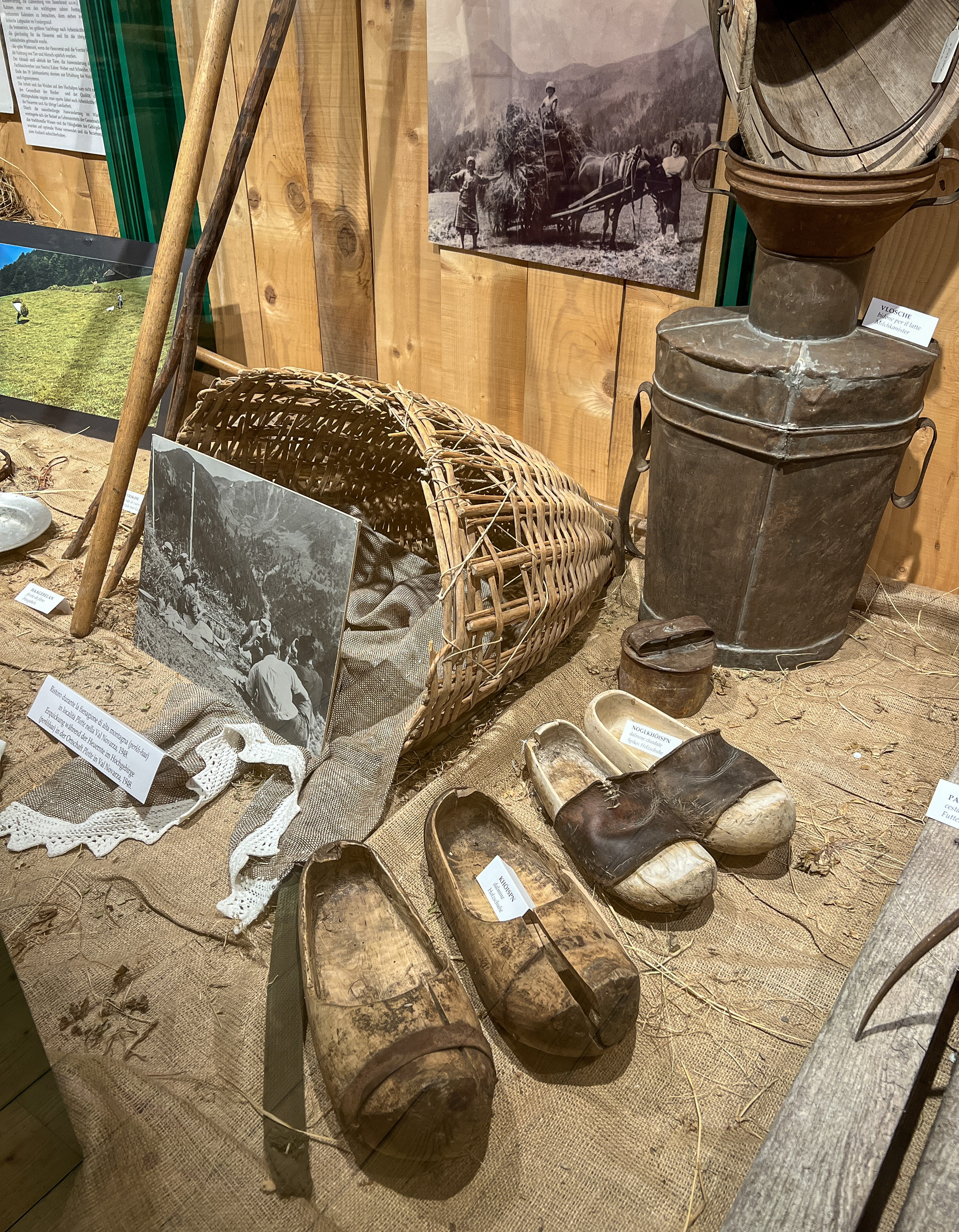
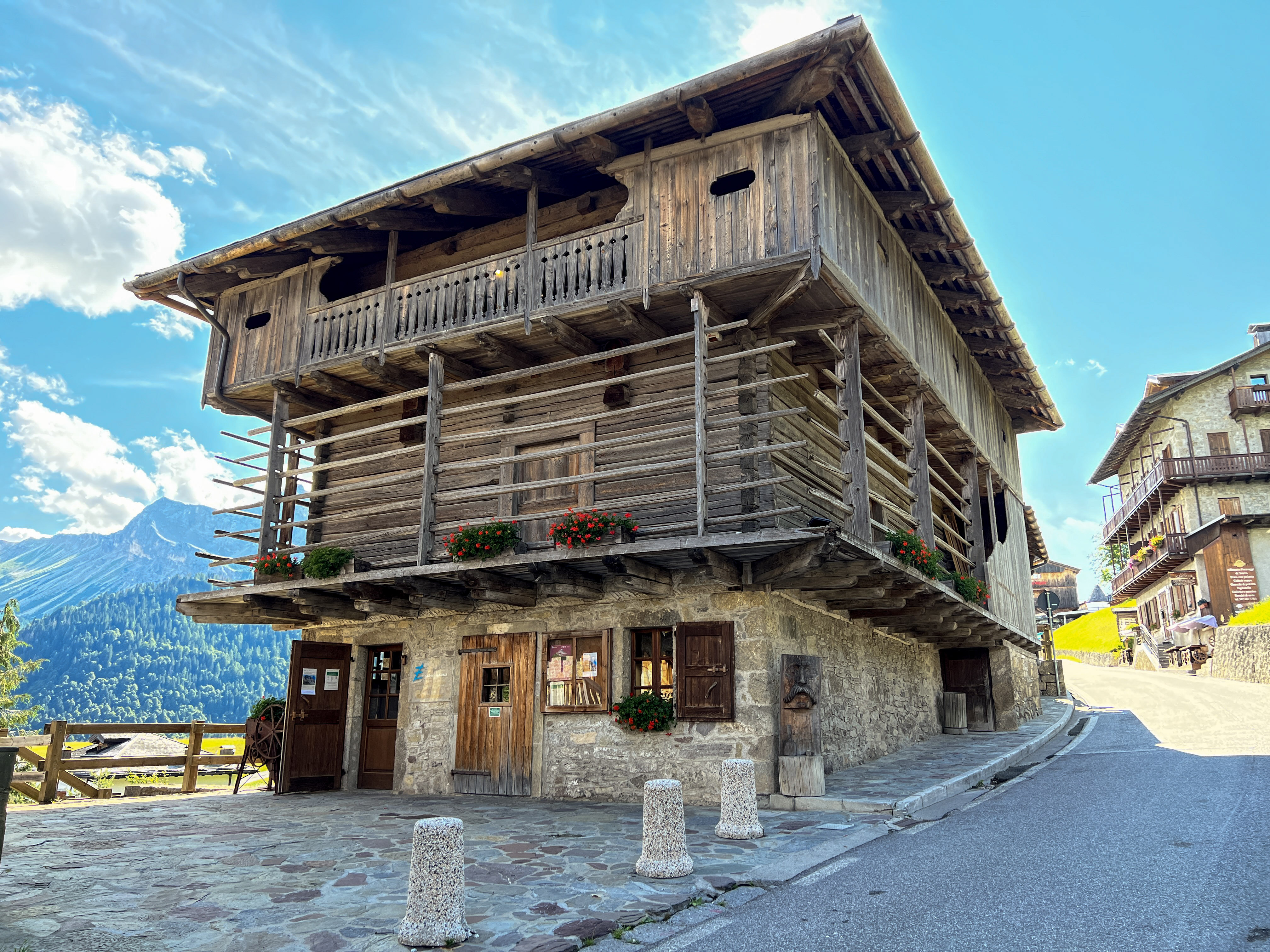
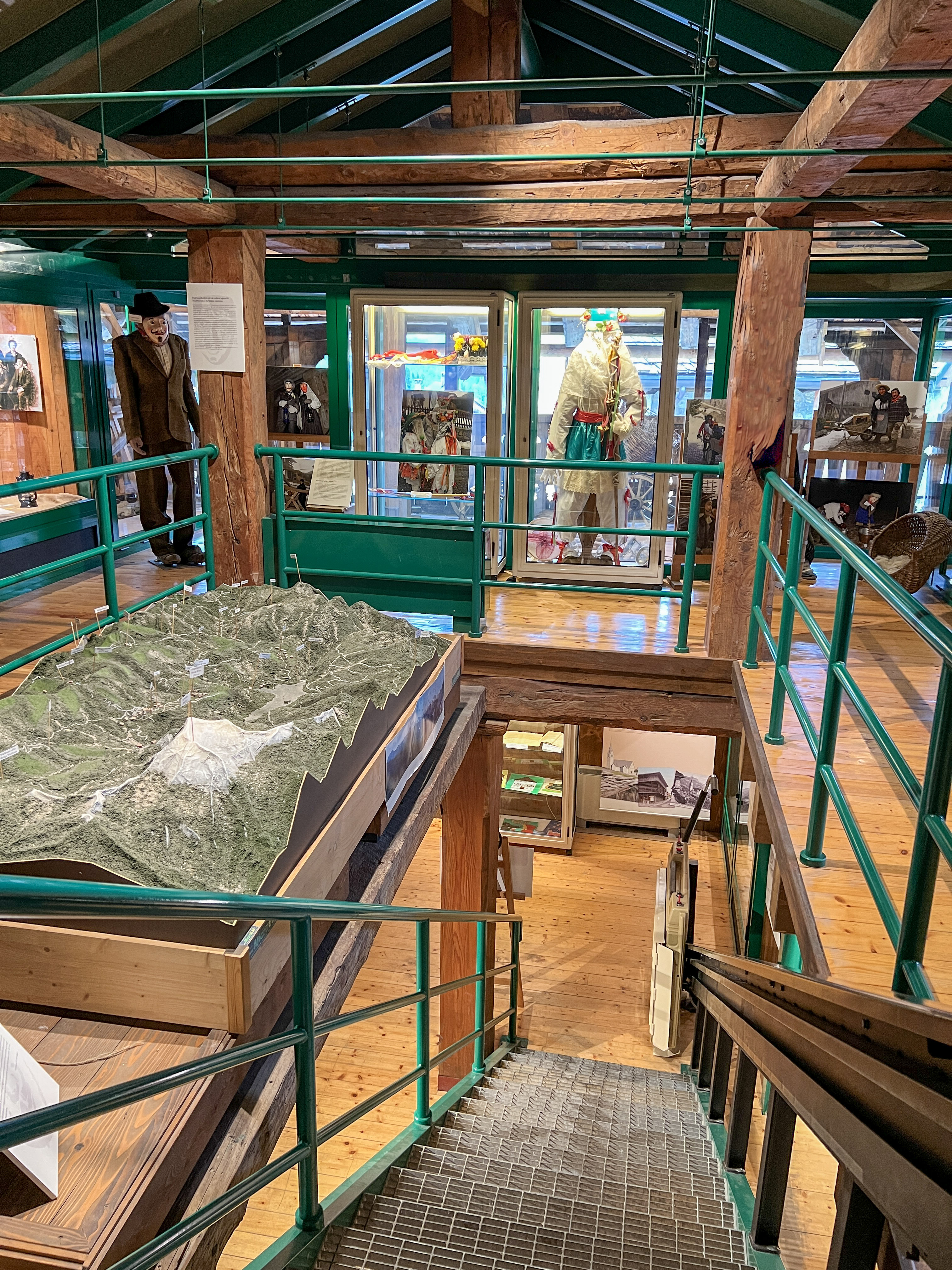
A great first stop to learn about the region is the Ethnographic Centre in Sauris di Sopra. The museum, in a traditional wooden building, documents the long history of settlers in the region, the local dialect, and festivals including their notable Carnevale celebrations. A large part of Sauris’s distinct identity is tied to the fact that for centuries the only way in and out of the villages was on foot. It wasn’t until 1934 that a road was built to Ampezzo, the closest larger town. We were lucky enough to arrive in Sauris on an evening where there was an informational lecture (in Italian) about the history of the Saurano dialect, which was a perfect introduction to the region.
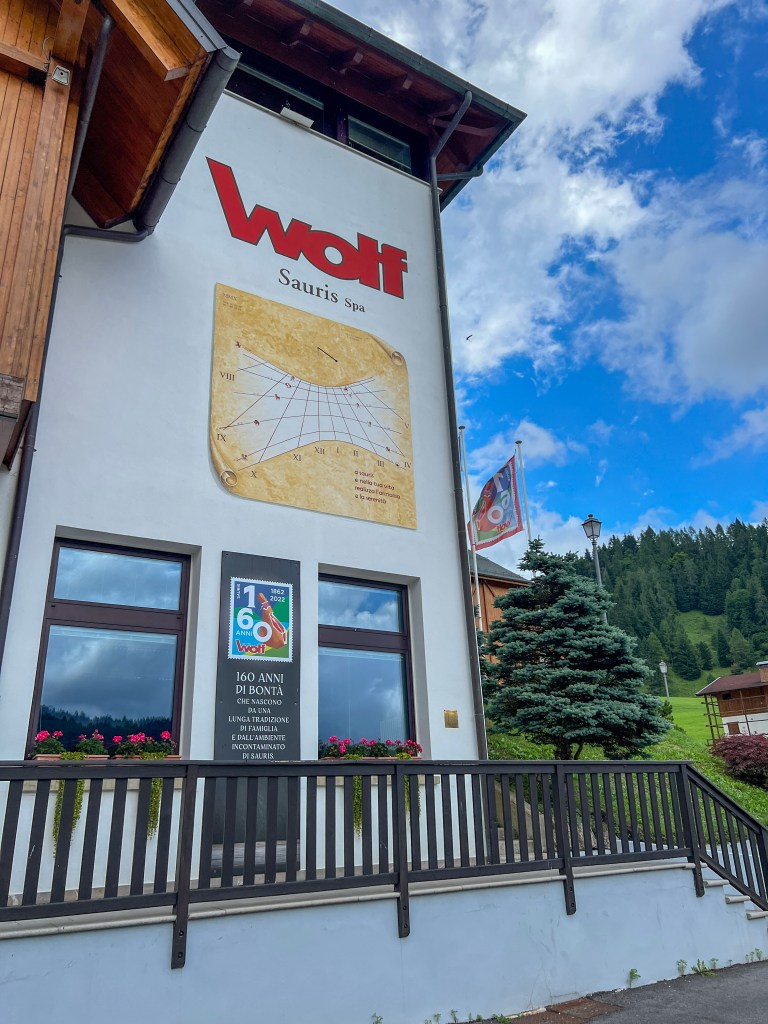
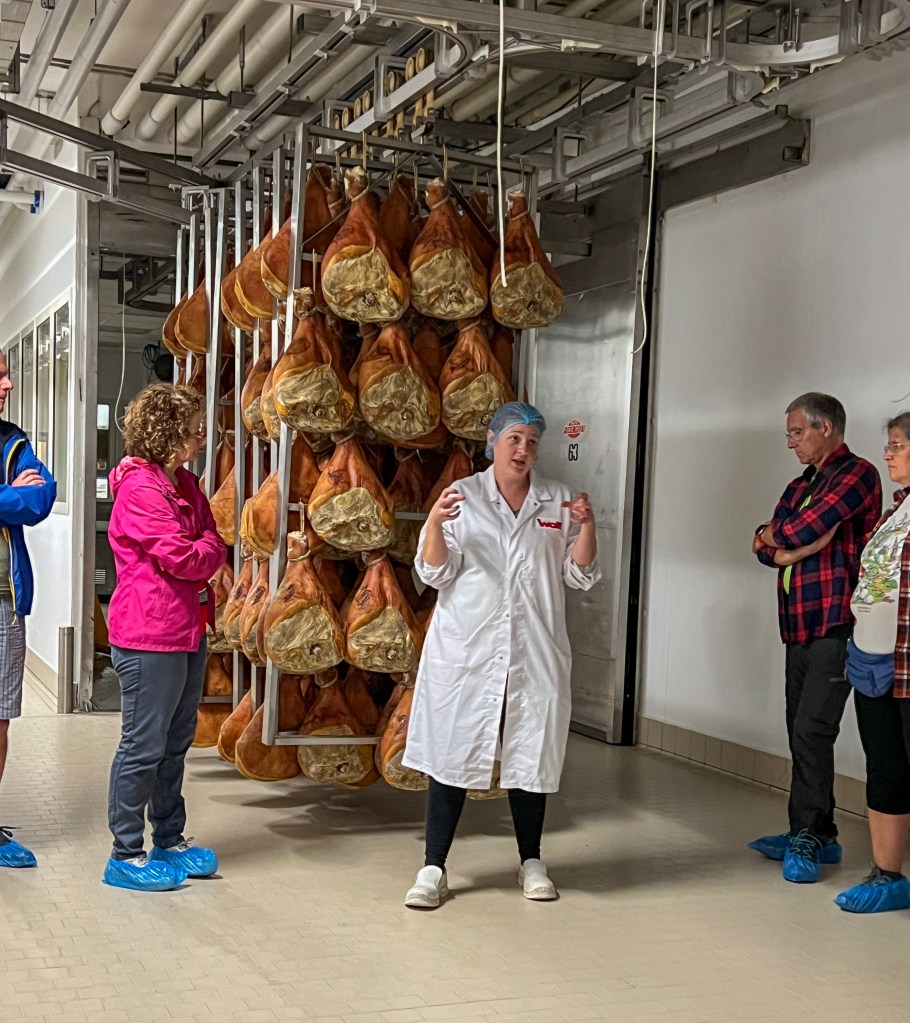
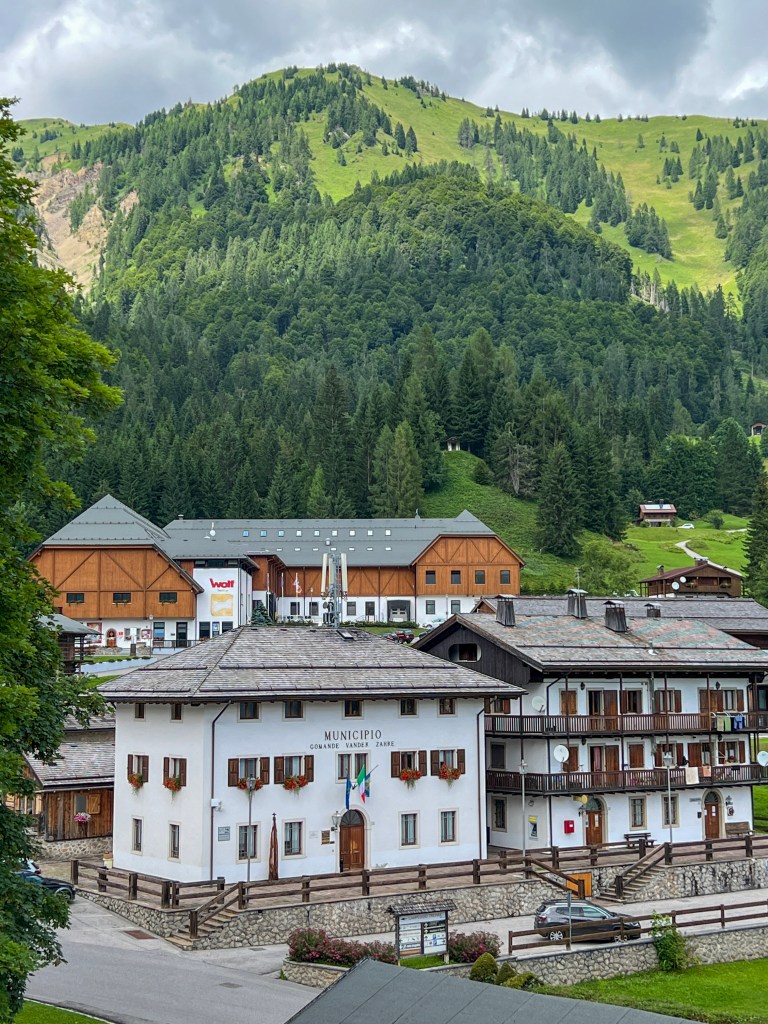
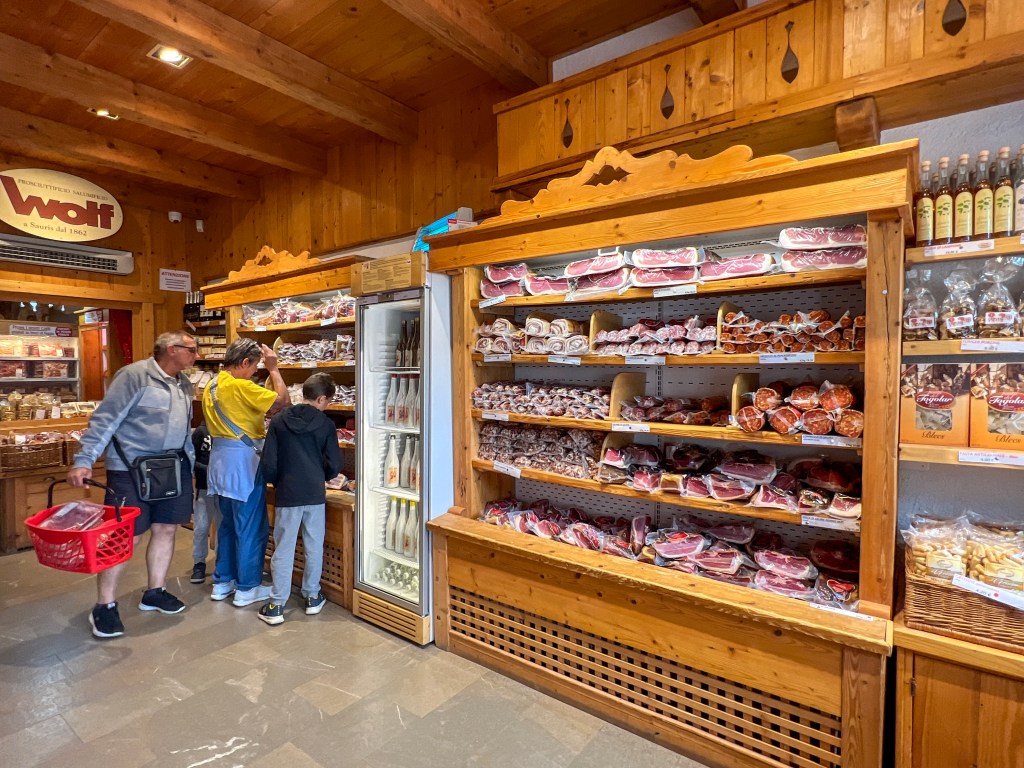
Sauris also has a distinctive food culture, fostered by the remote alpine location dotted with forests and meadows. One of the region’s best known exports is the distinctively smoky prosciutto di Sauris, an IGP (Indicazione Geografica Protetta) product indicating the importance of the region to the quality and distinctiveness of the product. Wolf has been making prosciutto in Sauris since 1862, and today you can tour the factory and learn about the history and tradition of this local prosciutto.
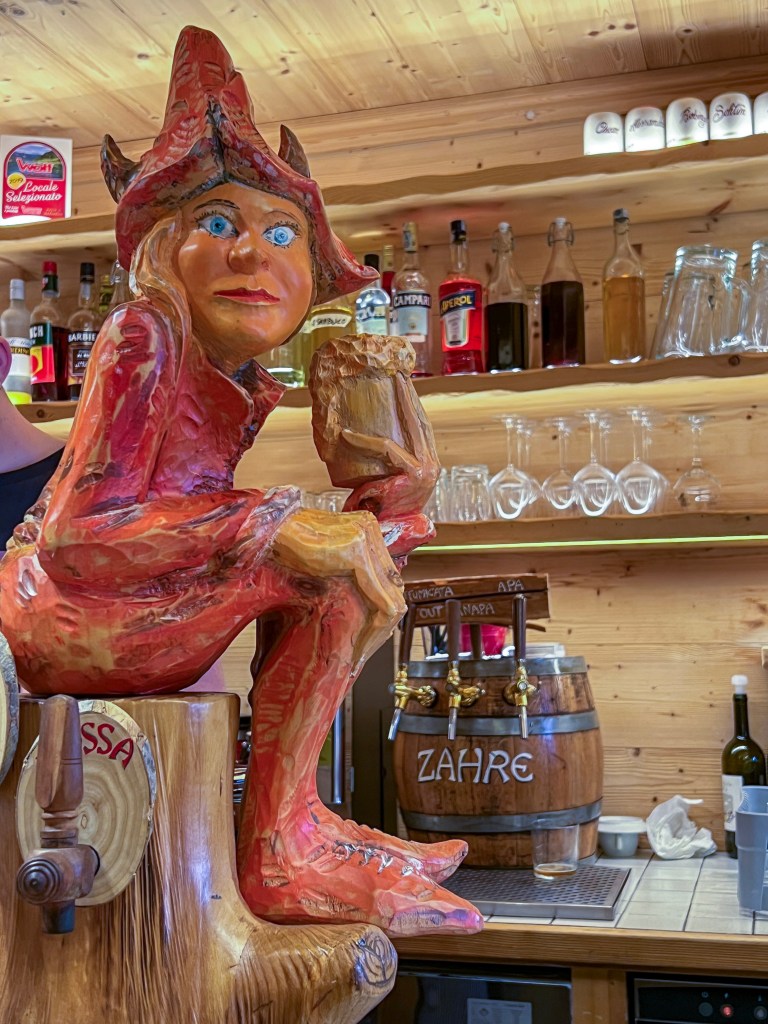
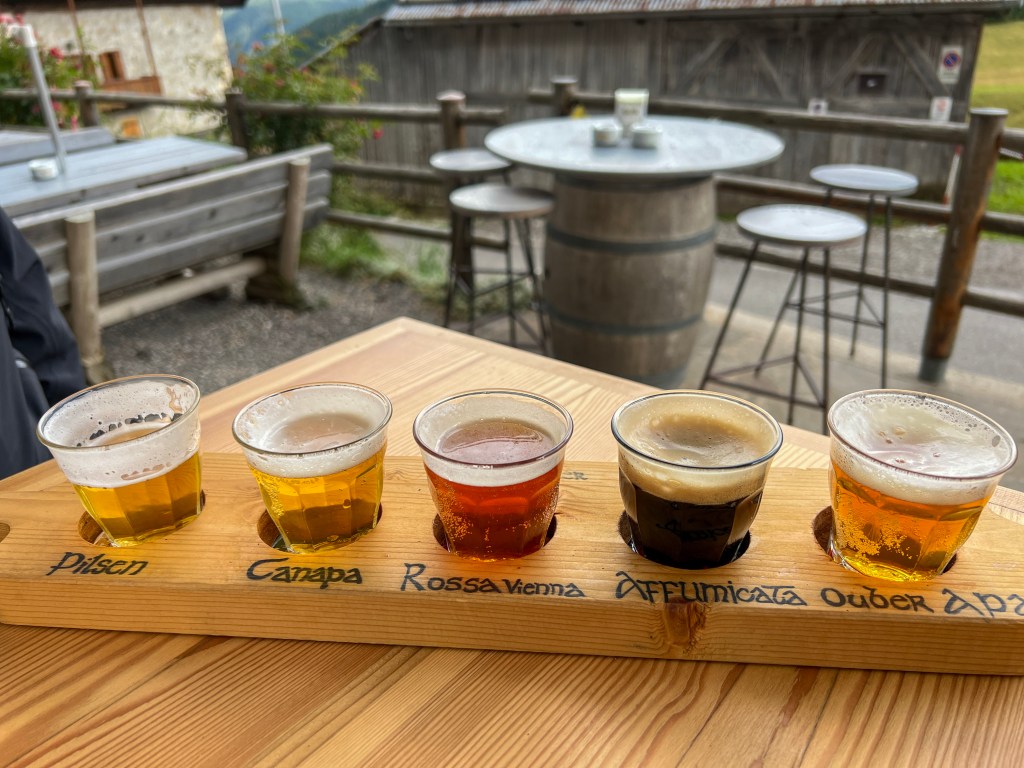
Also of note is Zahre Beer, a craft brewery in Sauris di Sopra. In a country that loves its wine, craft breweries are few and far between, but Zahre Beer is leading the way for beer production by being one of of the first breweries in Italy to use its own malt. You can visit their Bier Khelder (beer cellar) to try a flight of their beers.
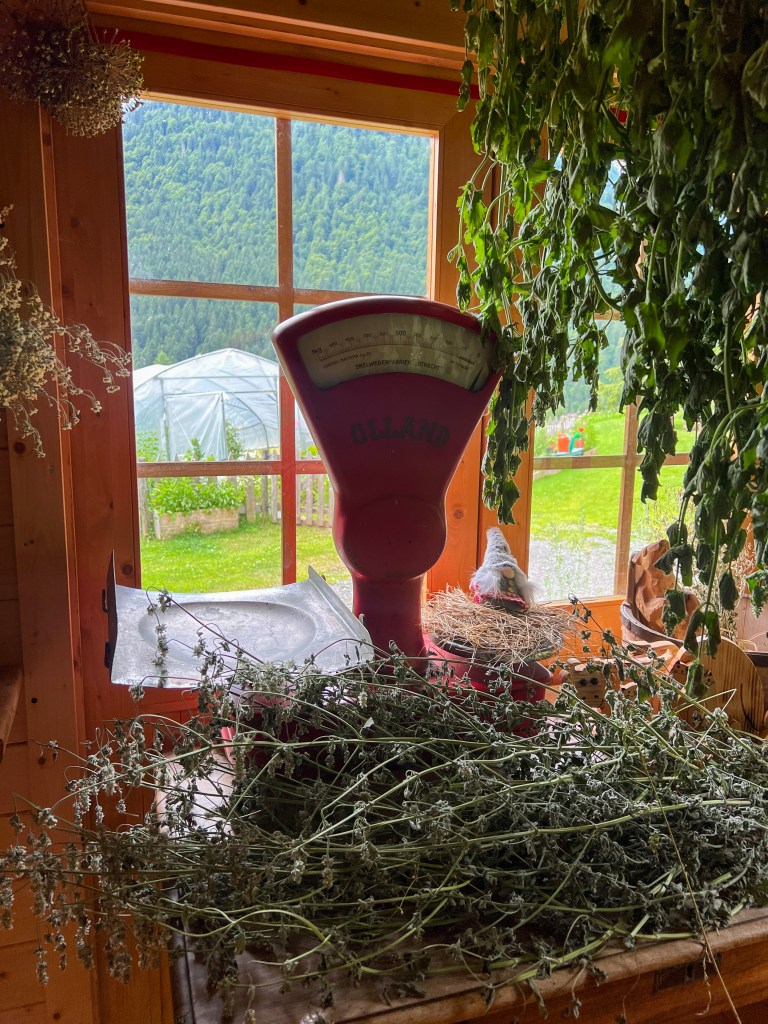
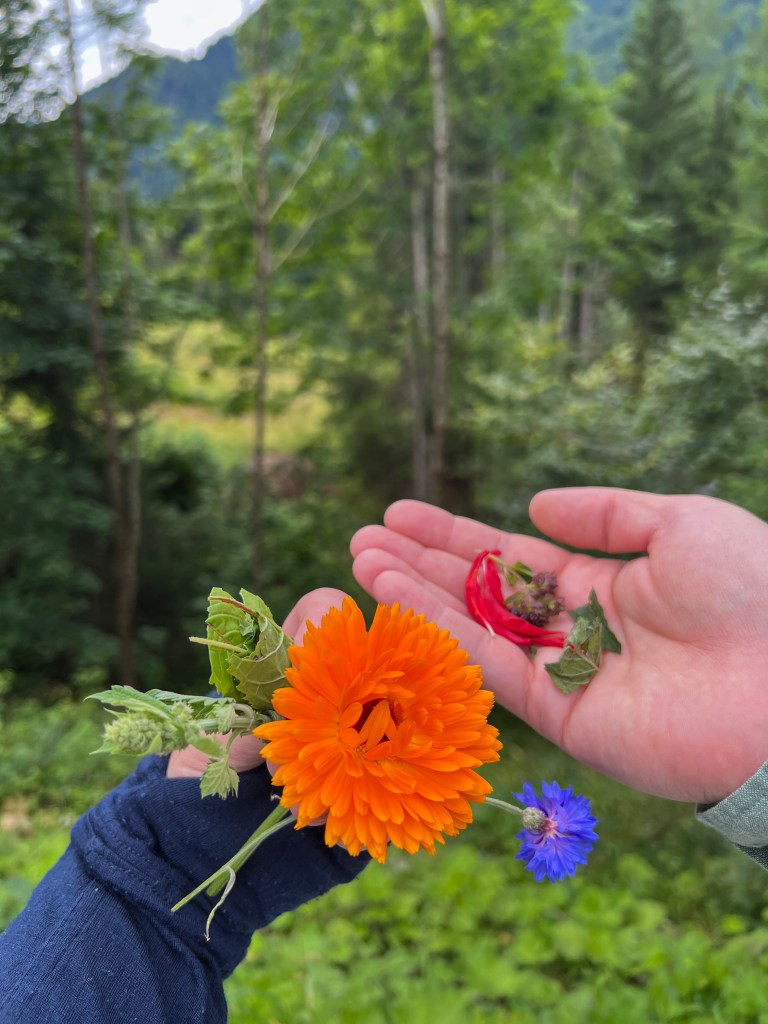
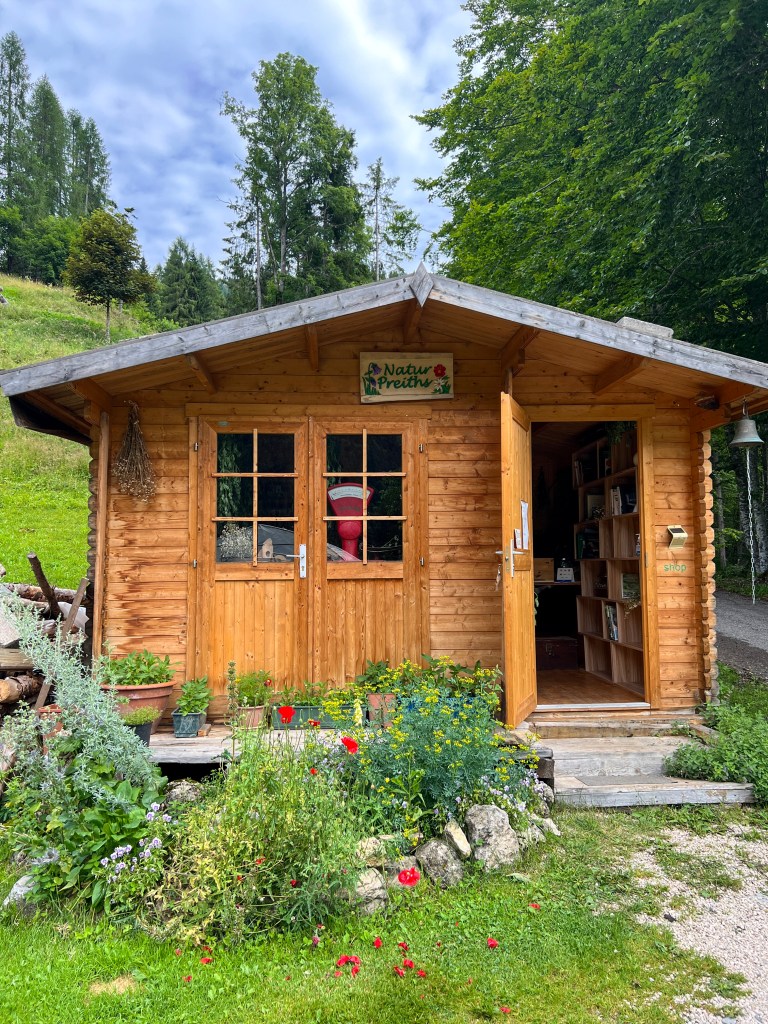
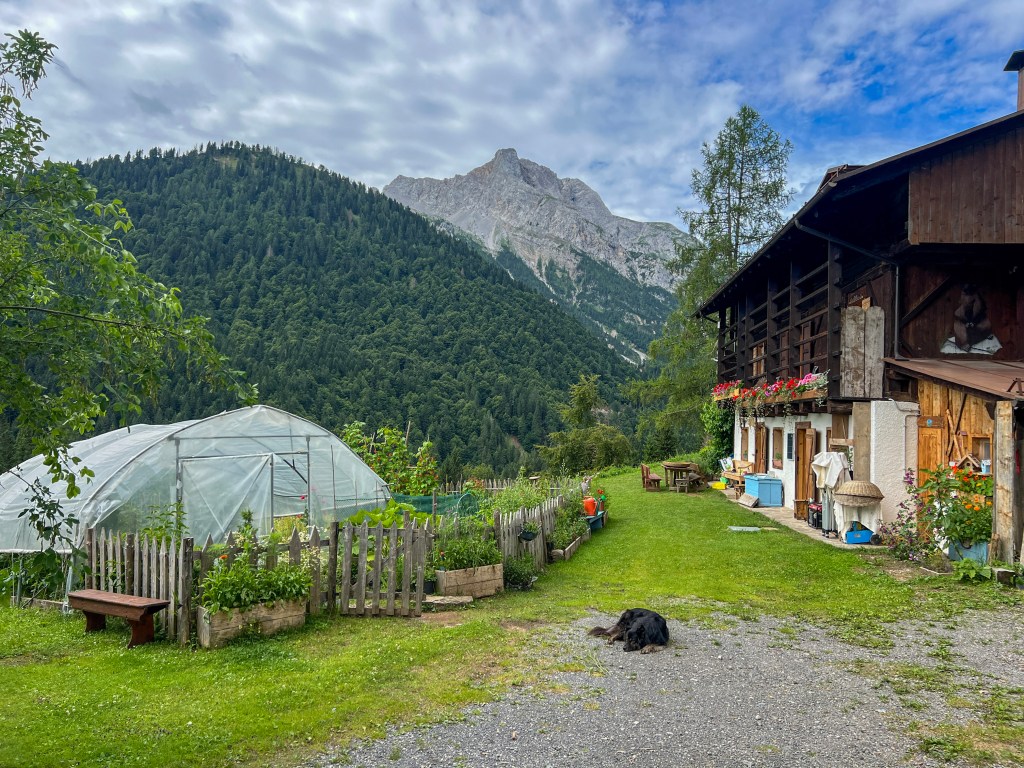
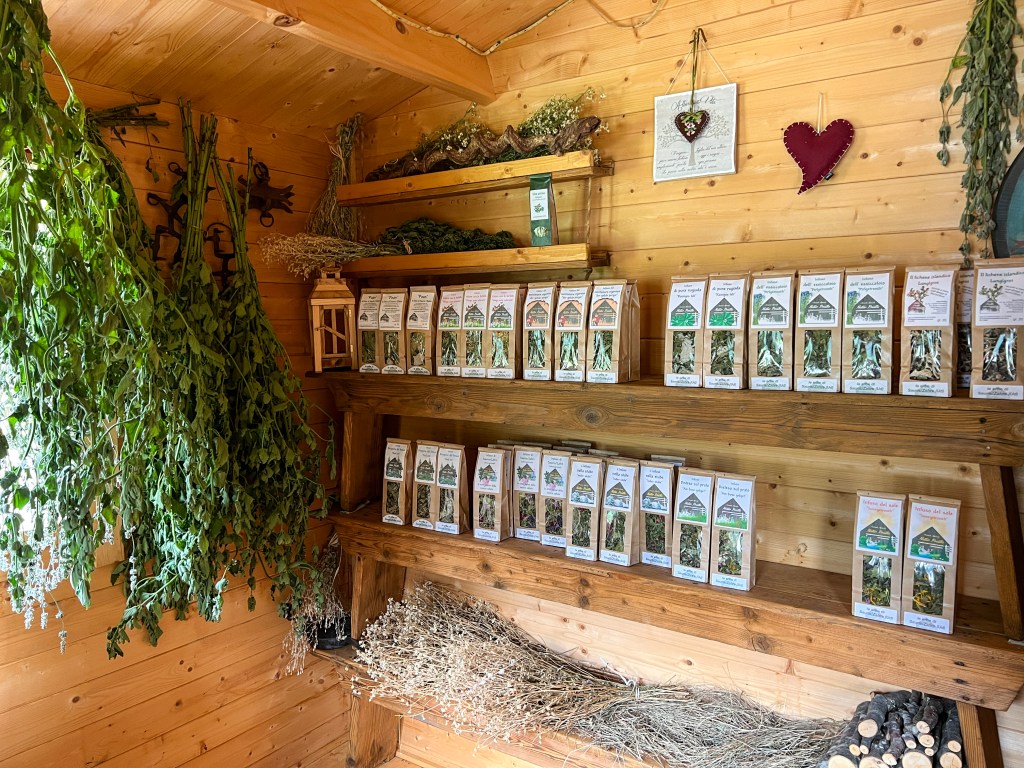
About a 15 minute walk through the forest from Sauris di Sopra we also visited Naturpreiths Erbe, a small farm growing all kinds of alpine herbs. They have a great little store on site selling different herbal teas, infusions, and dried herbs. The friendly proprietor also gave us a tour of the garden, pointing out some of the plants he was cultivating.
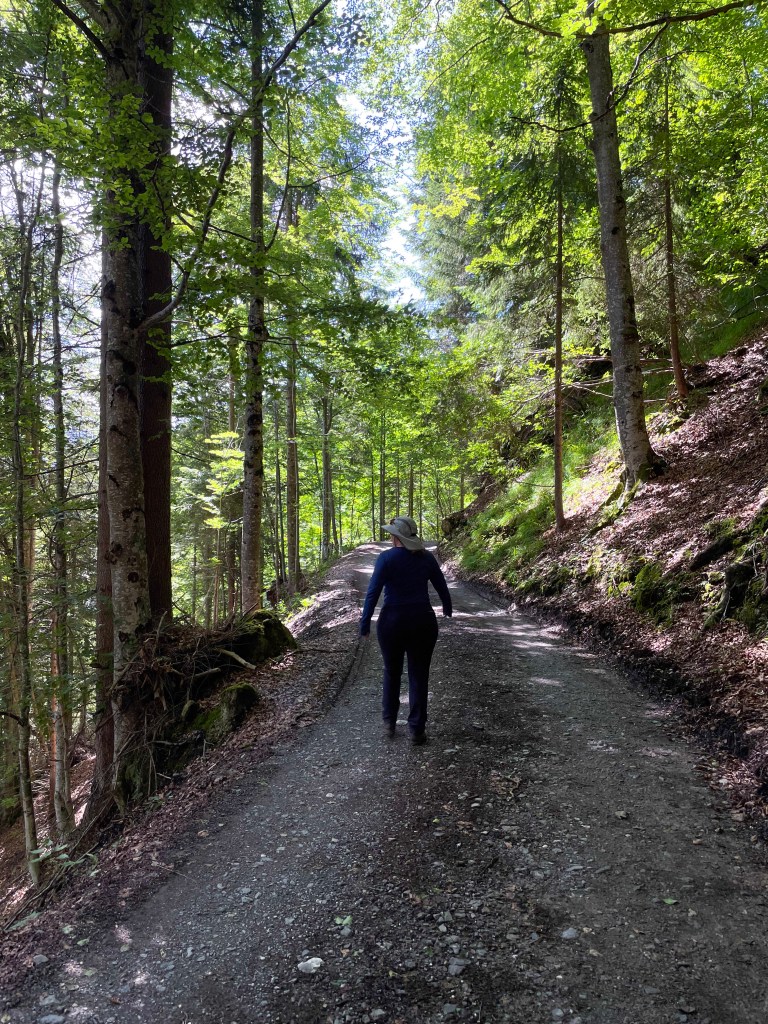
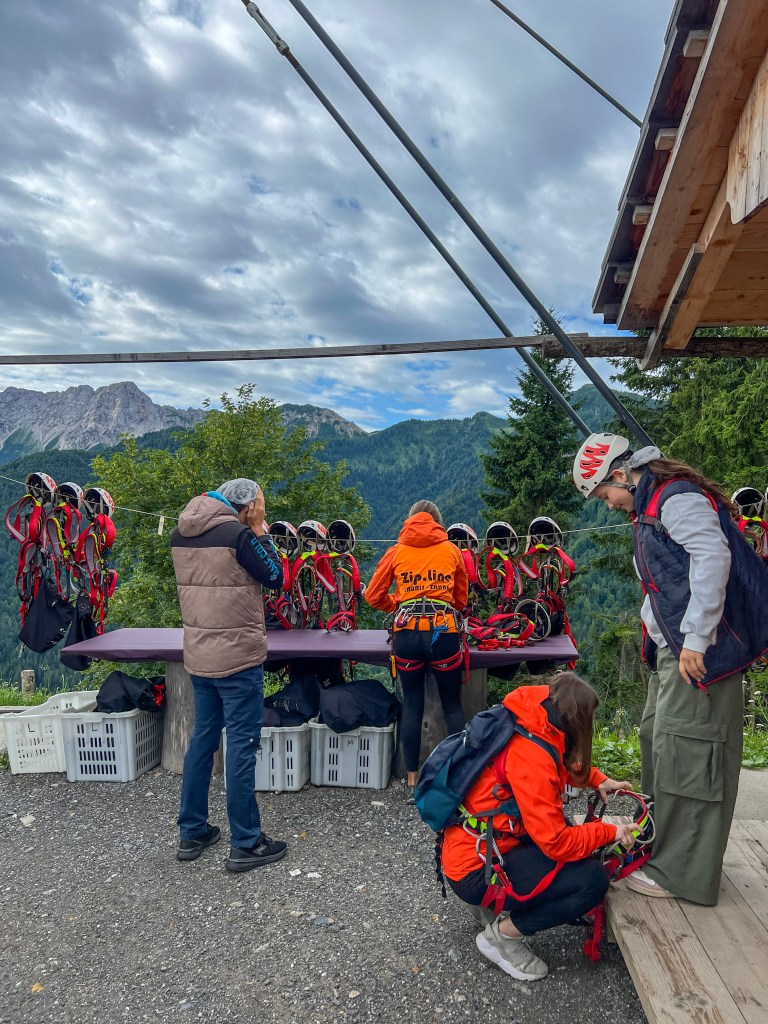
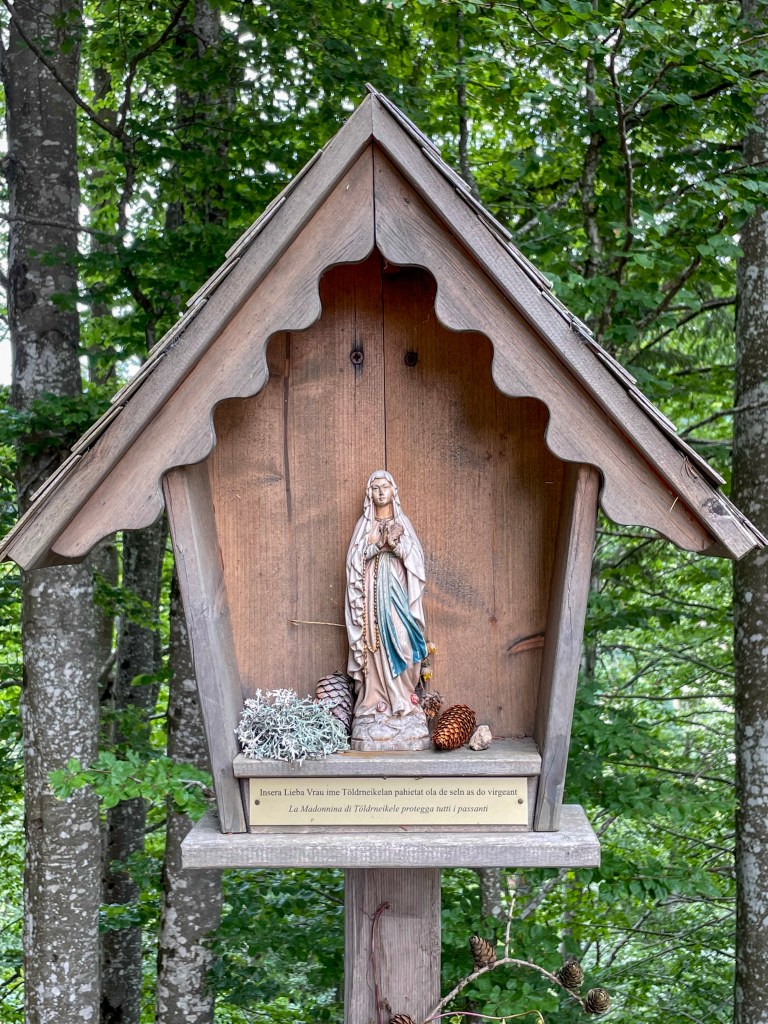
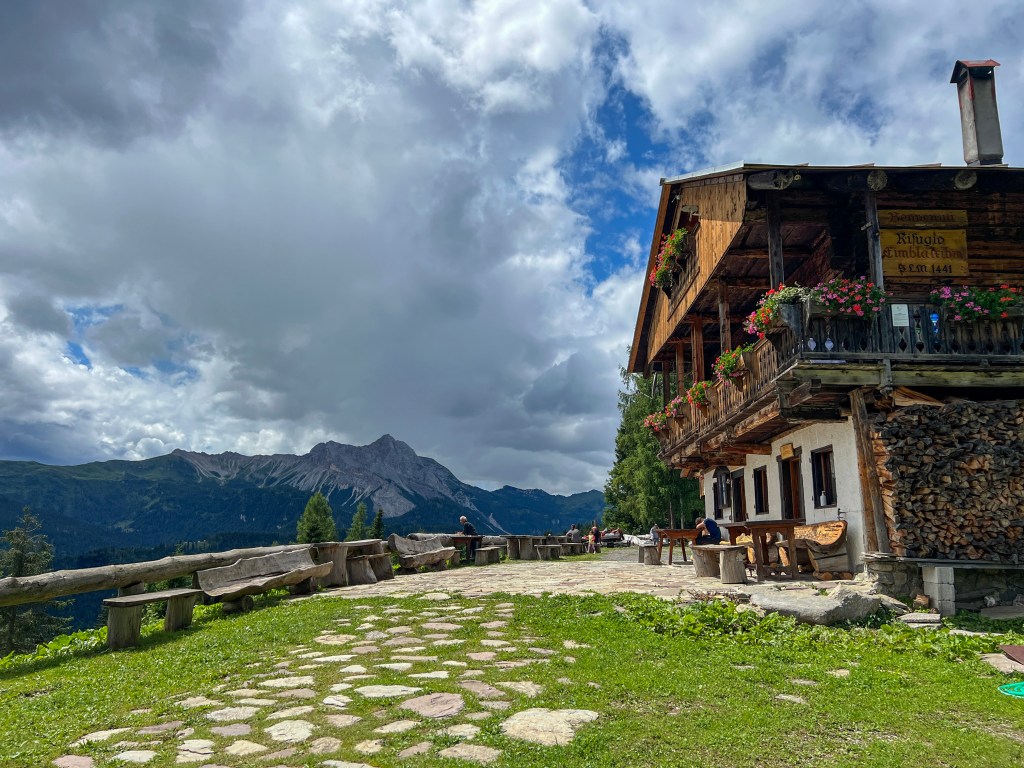
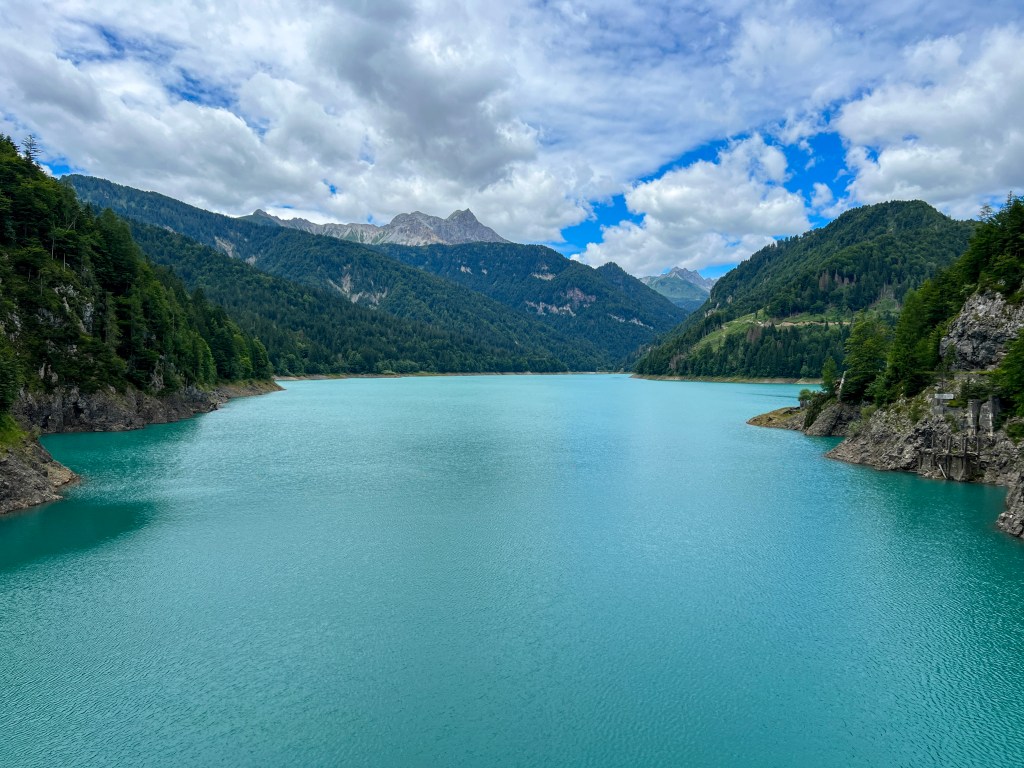
Beyond exploring the food traditions of the region, Sauris’s location in the mountains provides a multitude of options for any season. We were there in the summer so it was prime season for hiking. The local tourism office pointed us in the direction of a gentle day hike which led to a great rifugio for lunch. It was also a perfect time of year to do Zipline Sauris, a three-stage zipline that culminates with a stretch that goes over the pristine local lake. In the winter Sauris also has a small ski area as well! If the weather is not conducive to outdoor adventures (or a relaxation day is needed) there’s Grien Spa tucked away in the forest between Sauris di Sotto and Sauris di Sopra. We spent an afternoon there ducking into the different saunas and resting in the relaxation room.
Where to Eat
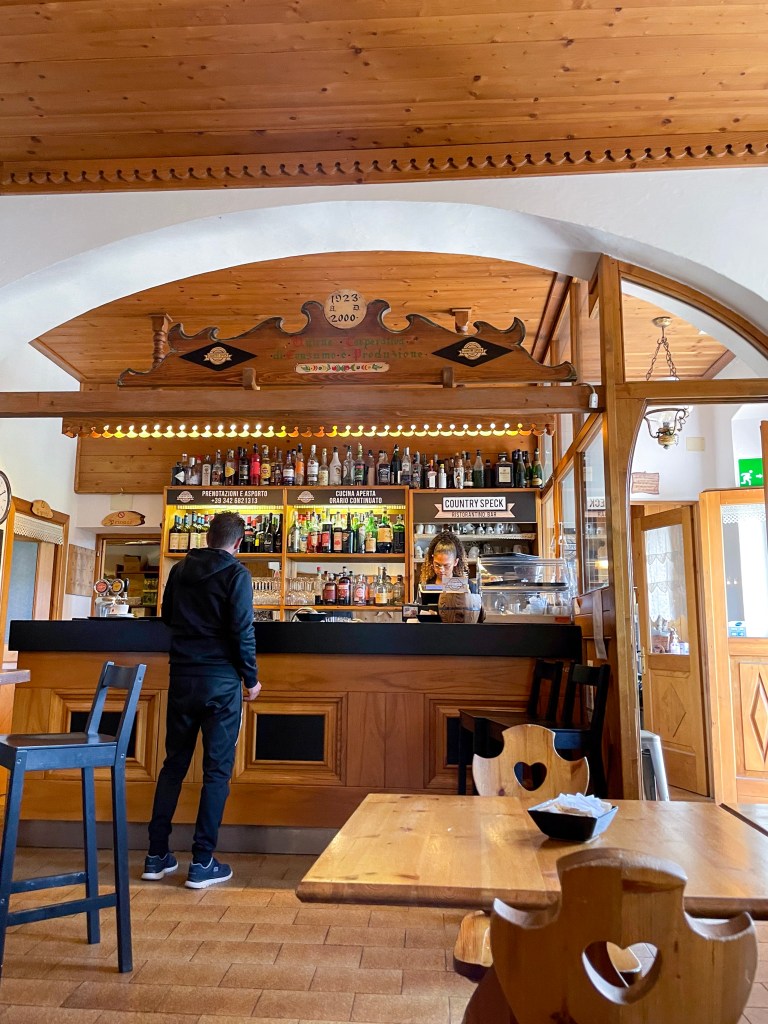
The villages in Sauris are small but offer a handful of options for dining out. In Sauris di Sopra Country Speck serves as a multi-purpose stop for the community. They have a small mini market, as well as a restaurant open from morning to night. We stopped here for a morning pastry as well as dinner.
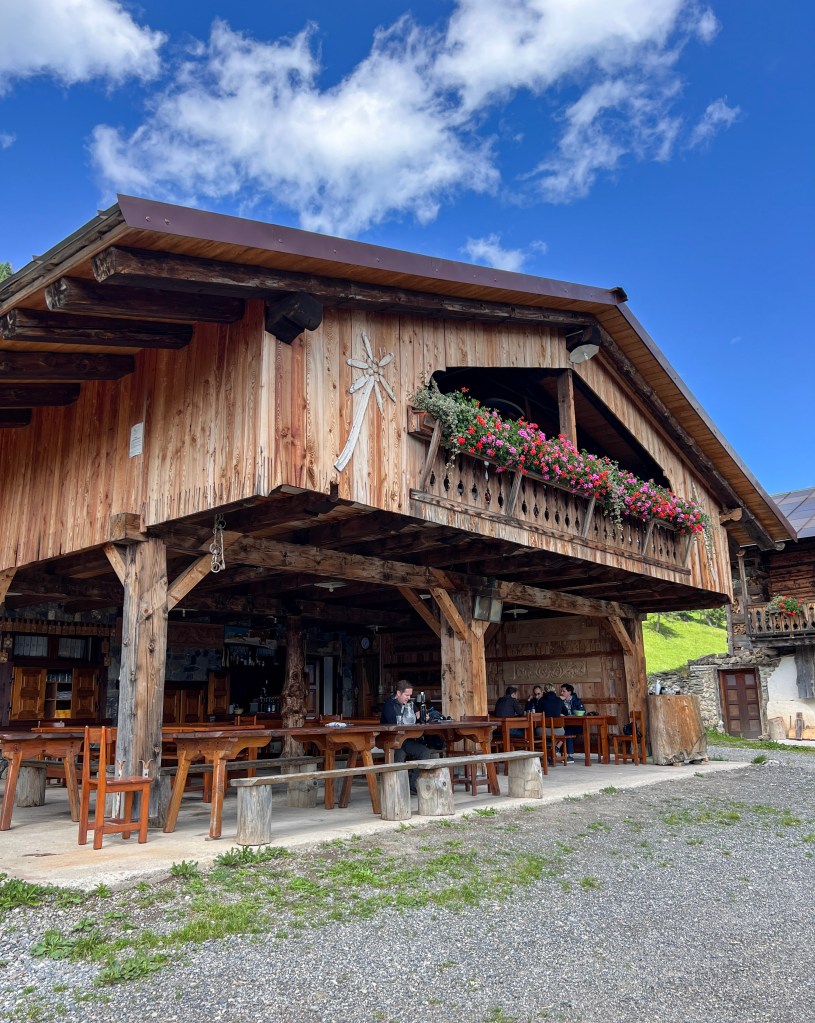
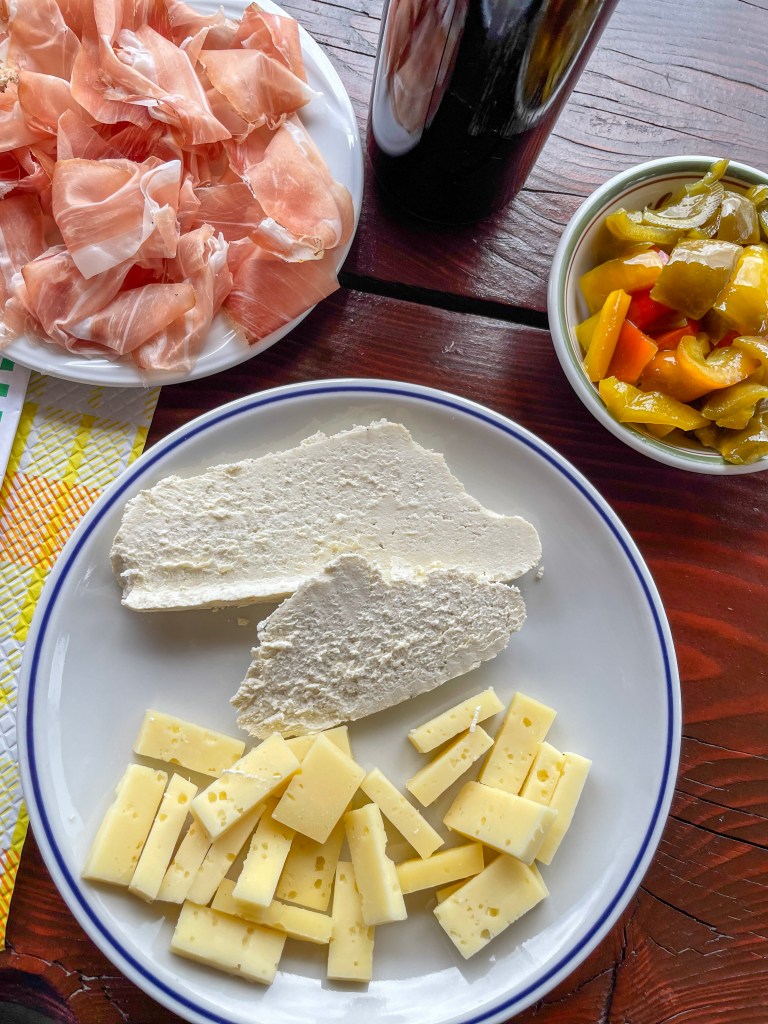
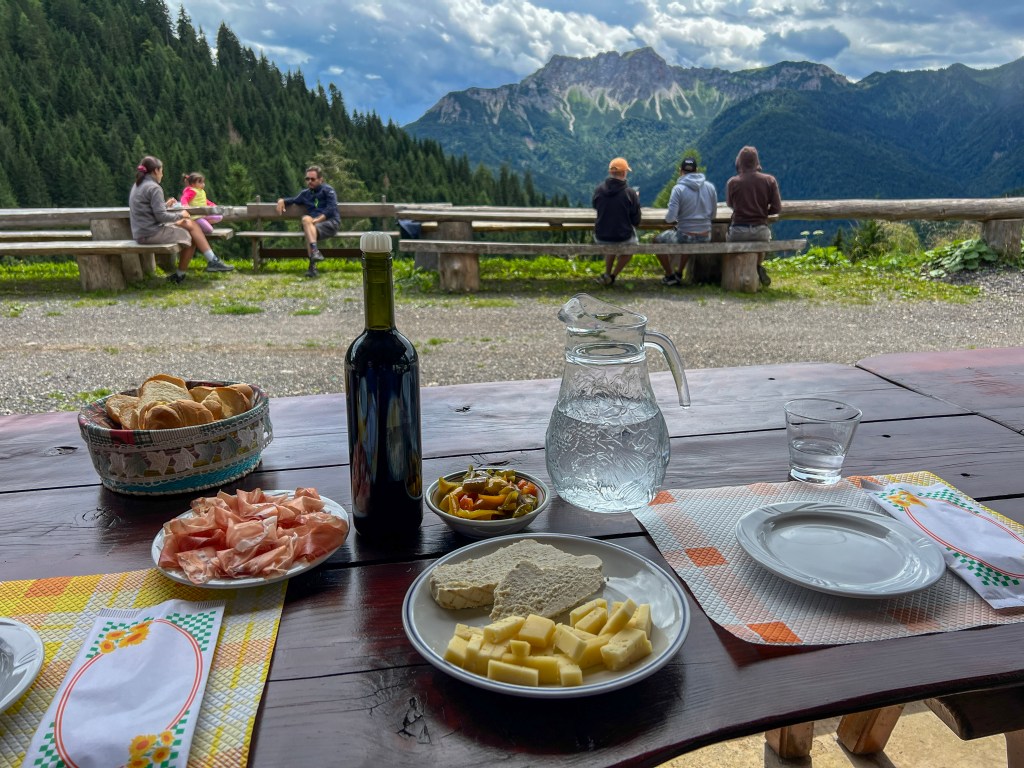
The day we went hiking our destination was Rifugio Eimblatribn, and it was worth the journey! They have a beautiful panoramic vista and served us a wonderful and filling lunch of meats, cheeses, polenta, vegetables, soup, and wine.
If you stay in an apartment, as we did, you can pick up food staples both at Prosciuttificio Wolf, and also Salumificio Zahre.
Where to Stay
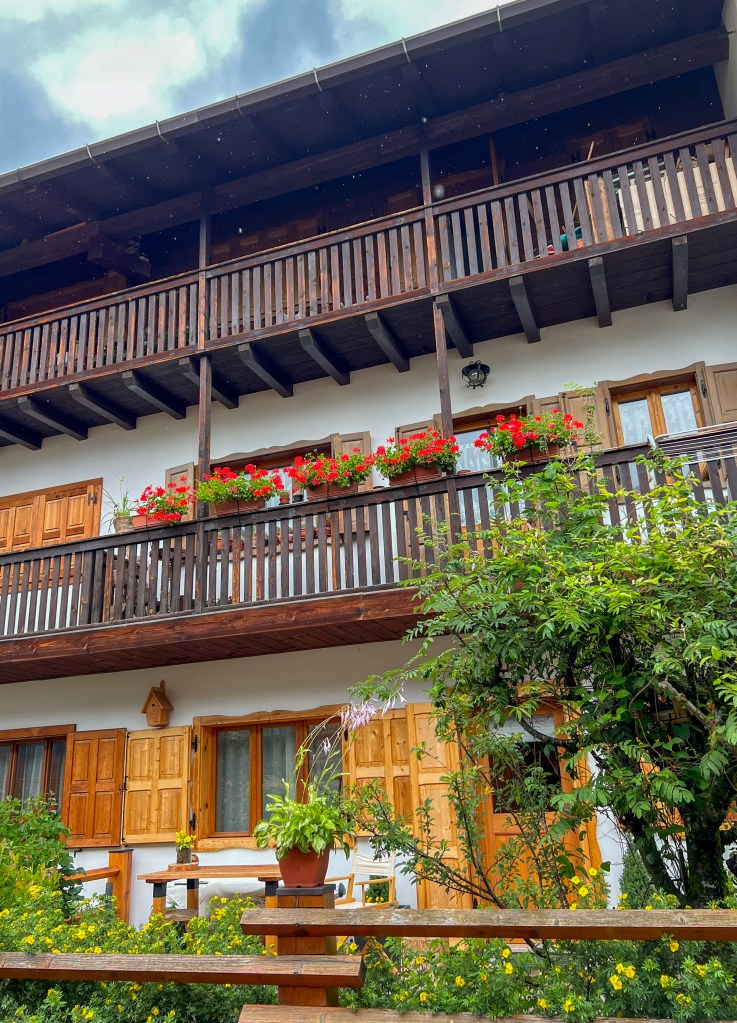
There are a number of small hotels in the towns and the surrounding hillsides offering lodging, but we decided to stay at the albergo diffuso in Sauris. The albergo diffuso concept is found across Italy, and these properties offer rooms or apartments scattered over a number of different buildings. They generally have a central check-in location, and sometimes a common area that serves breakfast as well. They offer many of the benefits of a hotel, with the privacy and space of an apartment rental. (We have also loved the alberghi diffusi we have stayed at in Puglia and Matera).
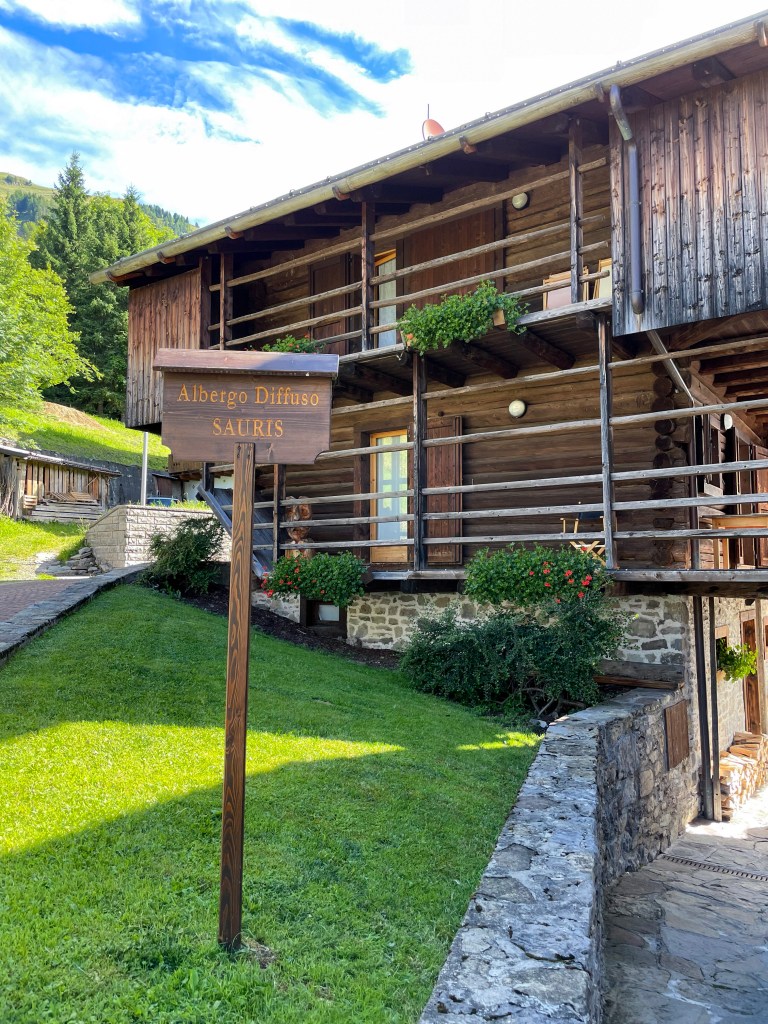
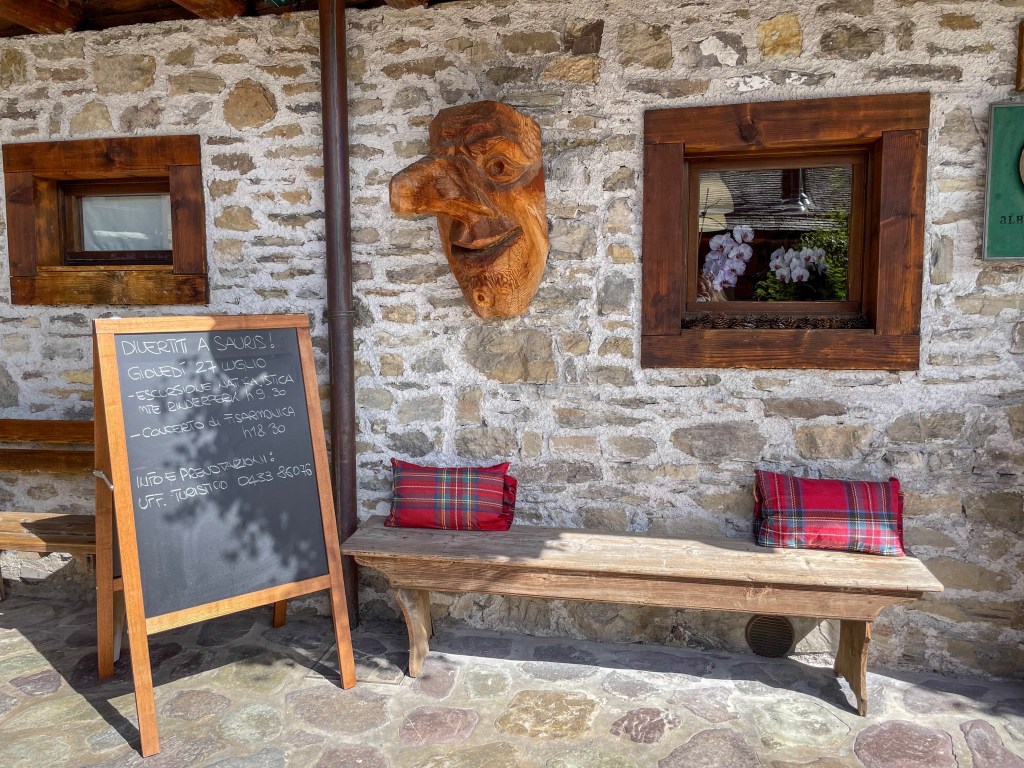
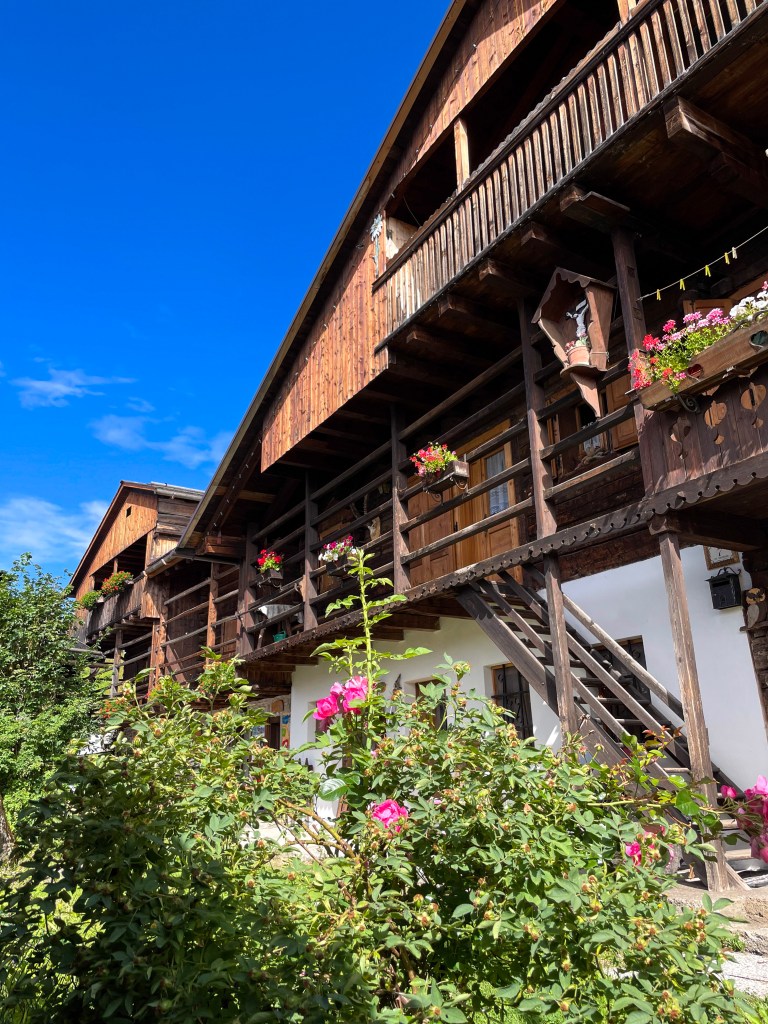
Albergo Diffuso Sauris has 32 separate apartments, from studios to multiple-bedroom family apartments, scattered in Lateis, La Maina, Sauris di Sotto, and Sauris di Sopra (where the check-in is located, and a majority of the apartments are found). Our apartment was a small studio (actually located above the brewery’s cellar!), cozy and efficient, with a kitchenette and wrap-around balcony. We would love to stay at the same albergo diffuso in the future to see what other buildings and apartments are like.
Getting There & Away
Sauris is located in the northwestern section of Friuli Venezia Giulia, with the closest airports in Venice and Trieste. There are public transportation options to reach the valley (search the bus schedule here), but they don’t run frequently. Realistically, arriving by car is most efficient and gives you the flexibility to move between the towns in the valley on your own schedule.
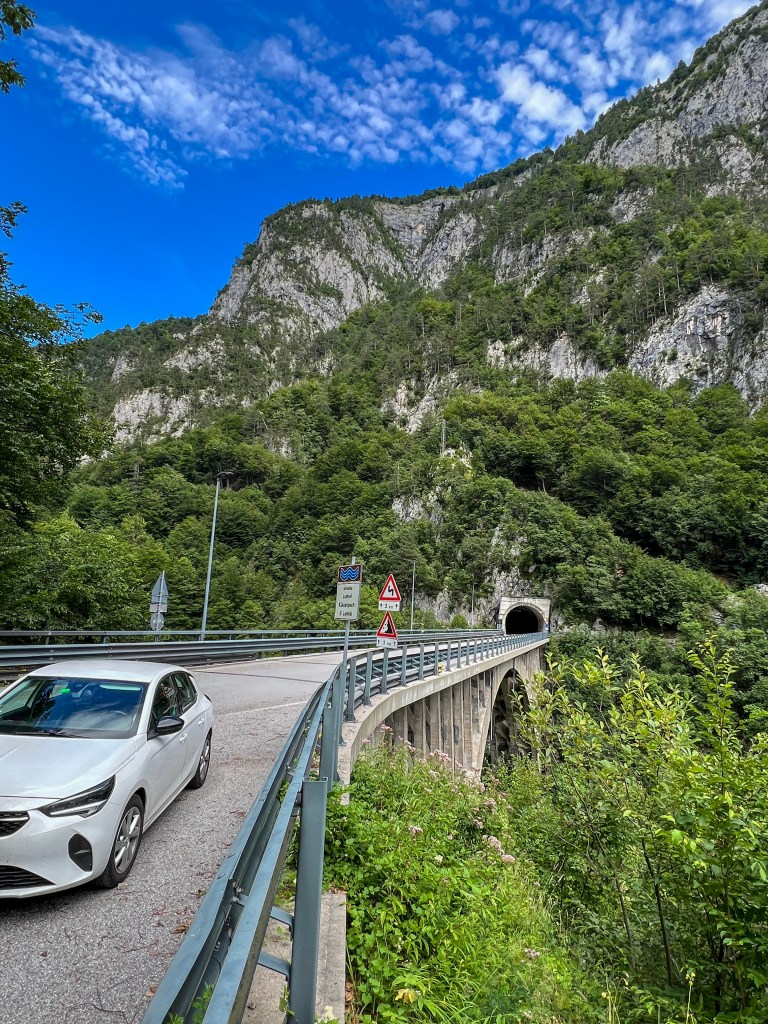
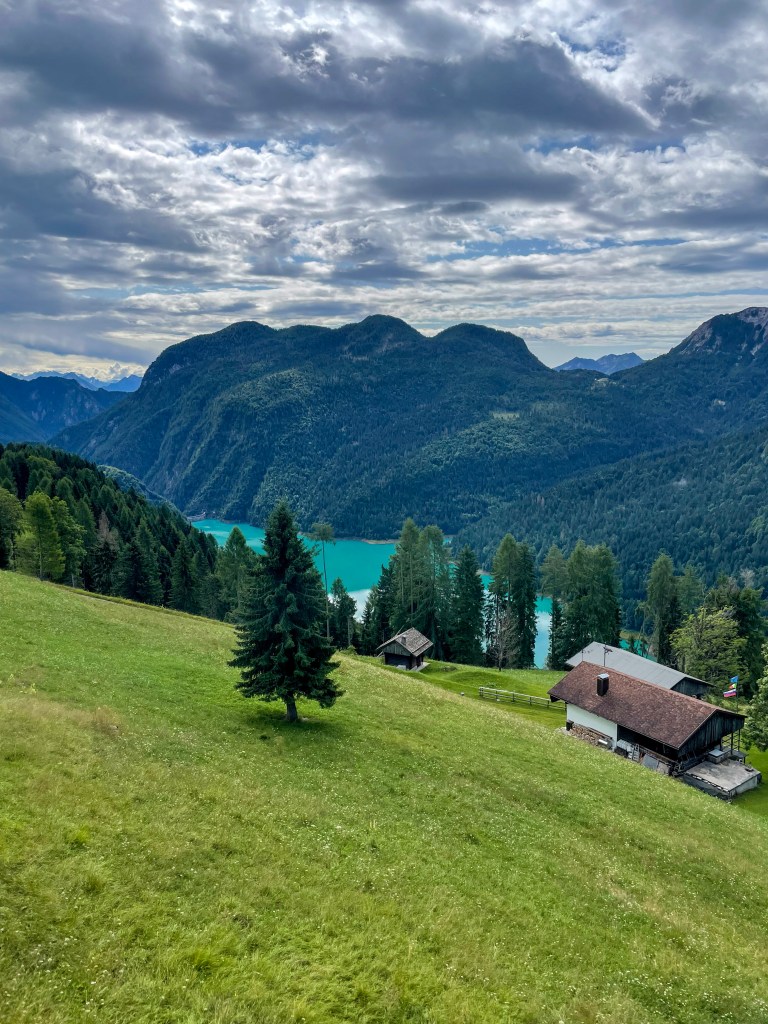
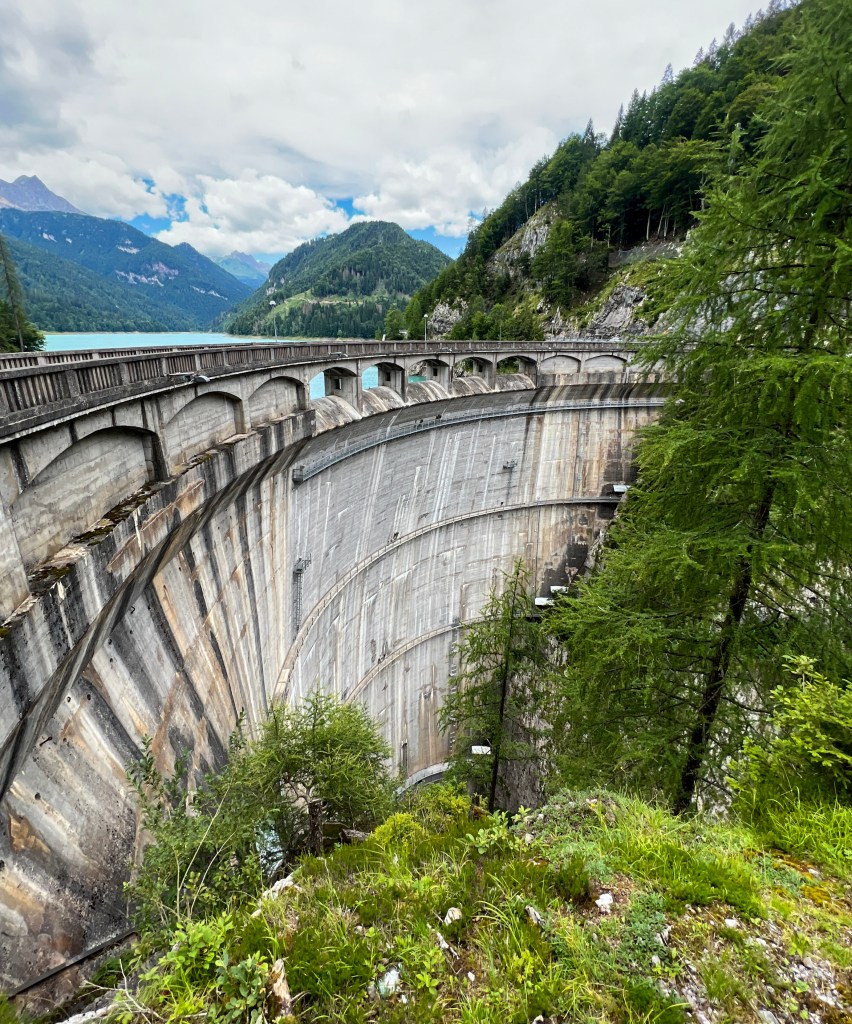
The drive to reach Sauris is daunting, especially if you’re not used to mountain driving. We also feel like it was part of the overall experience! You drive through twisty mountain roads, through a number of historic rock-hewn tunnels, until finally surfacing at the entrance of a picturesque high-altitude valley with a sparkling turquoise lake. The approach by car definitely underscores the reasons this region was so isolated for centuries! However as soon as we arrived, we felt transported, almost to another time and place. We had originally thought we would Sauris as a base to explore other parts of northwestern Friuli Venezia Giulia, but once we got there and saw the little oasis we had landed in (plus how challenging the drive was), we decided we only wanted to stay in that valley to explore all there was to offer until our departure.
We had a fantastic experience visiting Sauris, and a large part of that is due to the integration of services for visitors. When we checked in at the albergo diffuso we received a list of activities happening that week and they advised on options for hiking routes and ideas for our schedule.
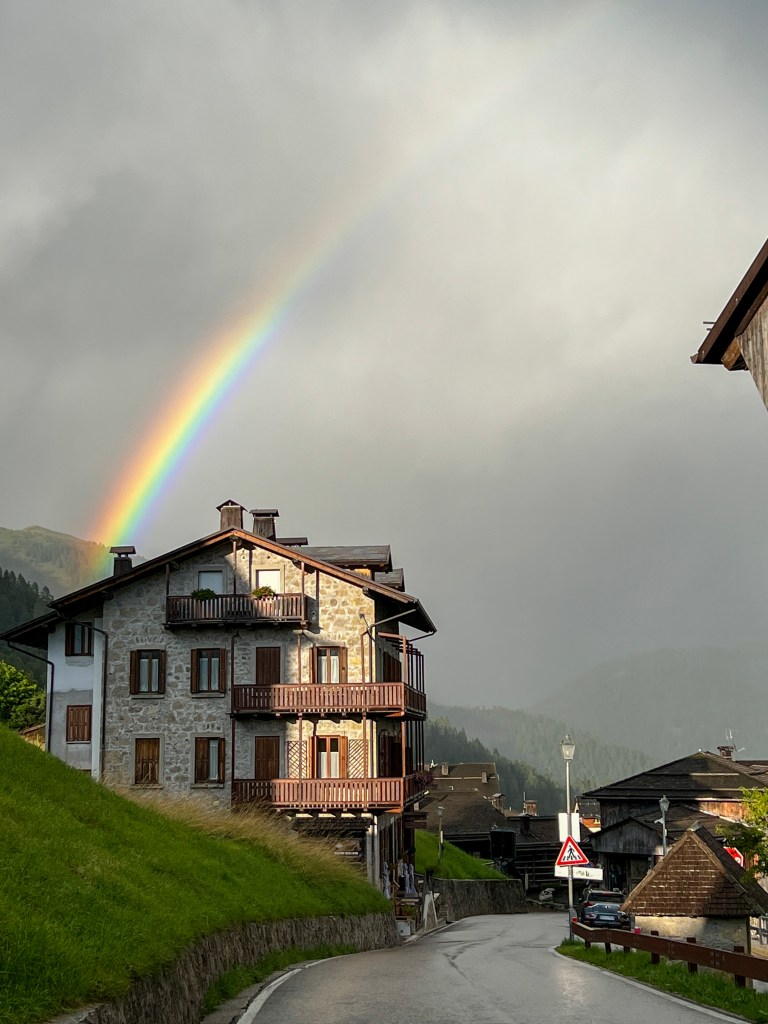
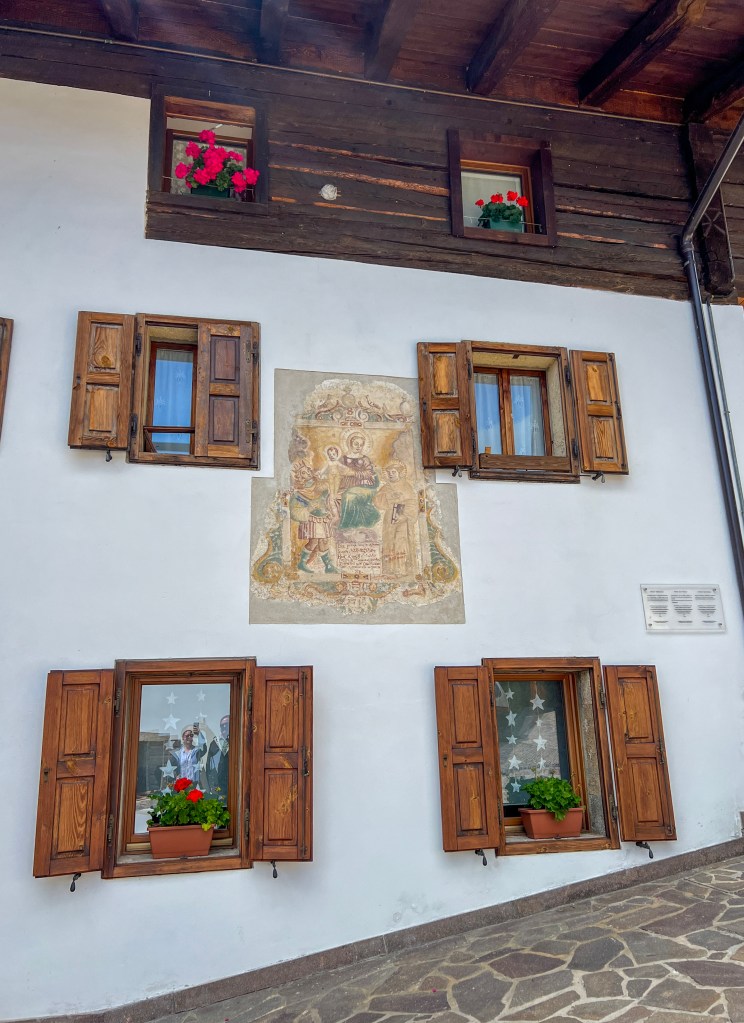
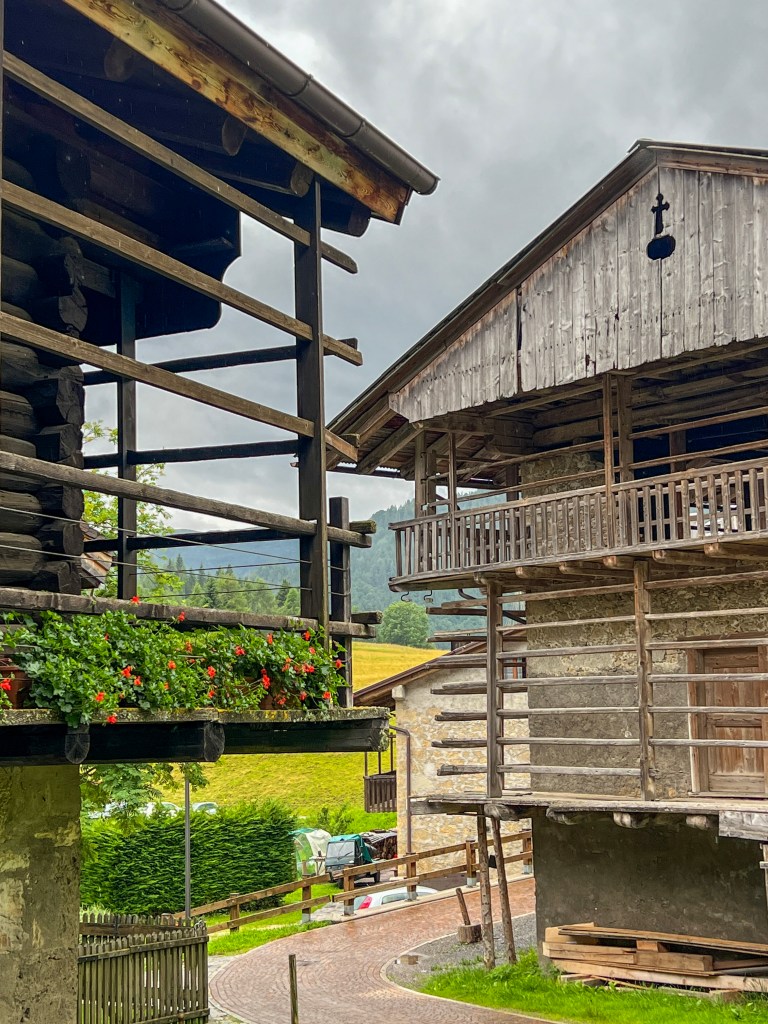
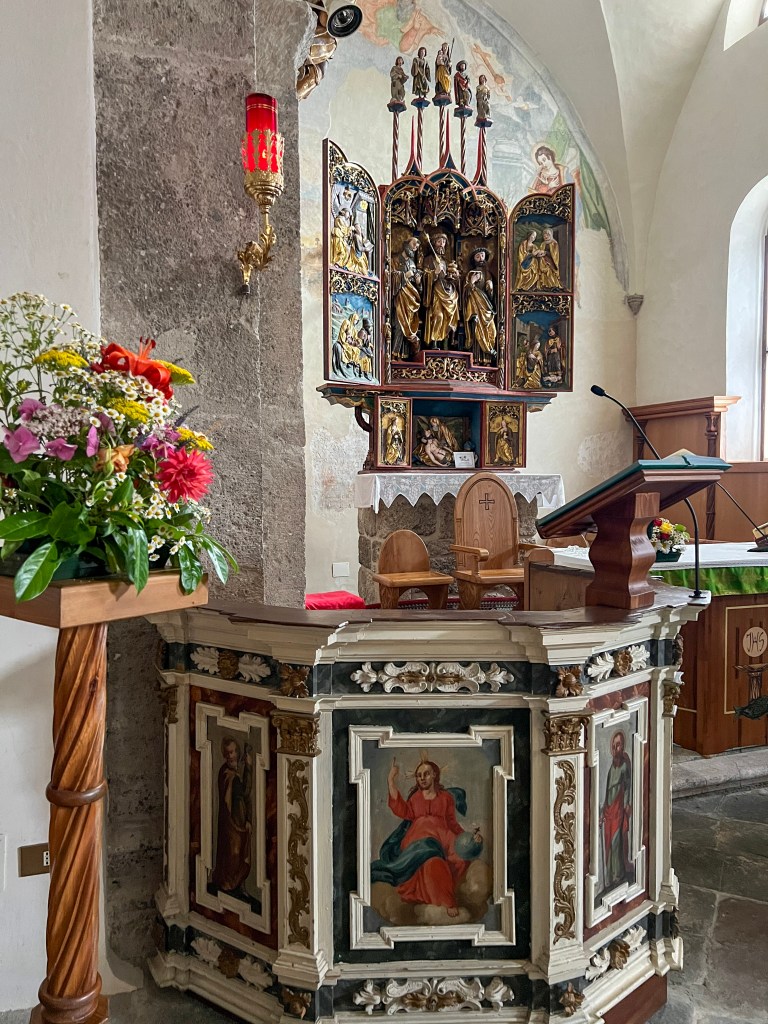
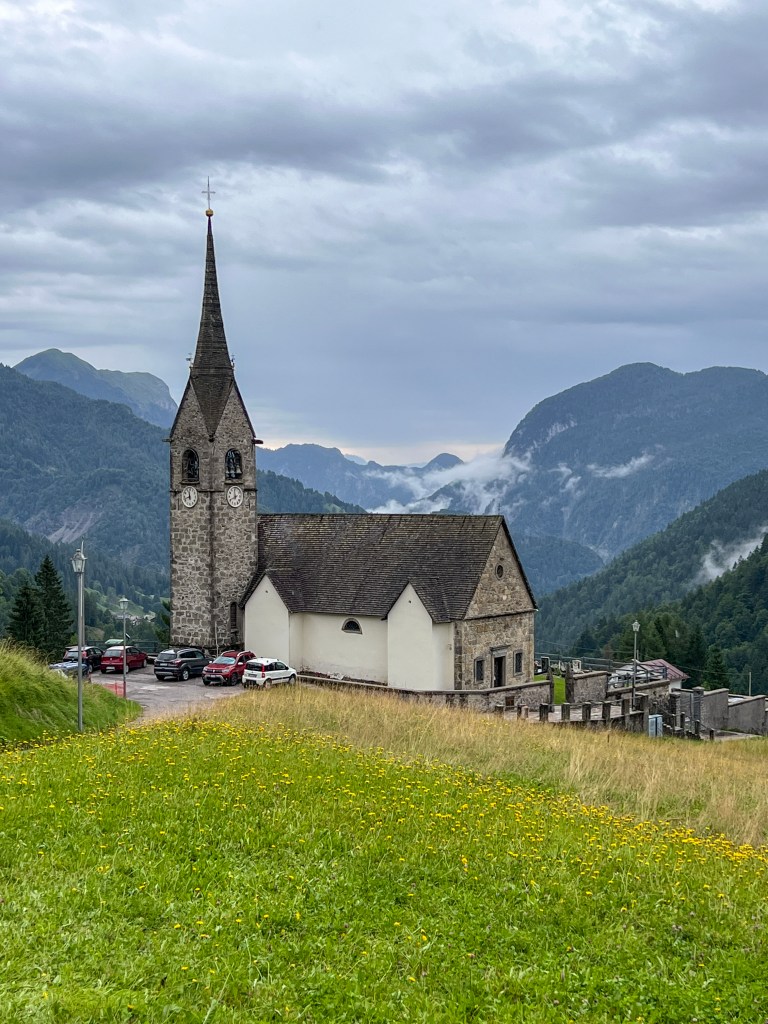
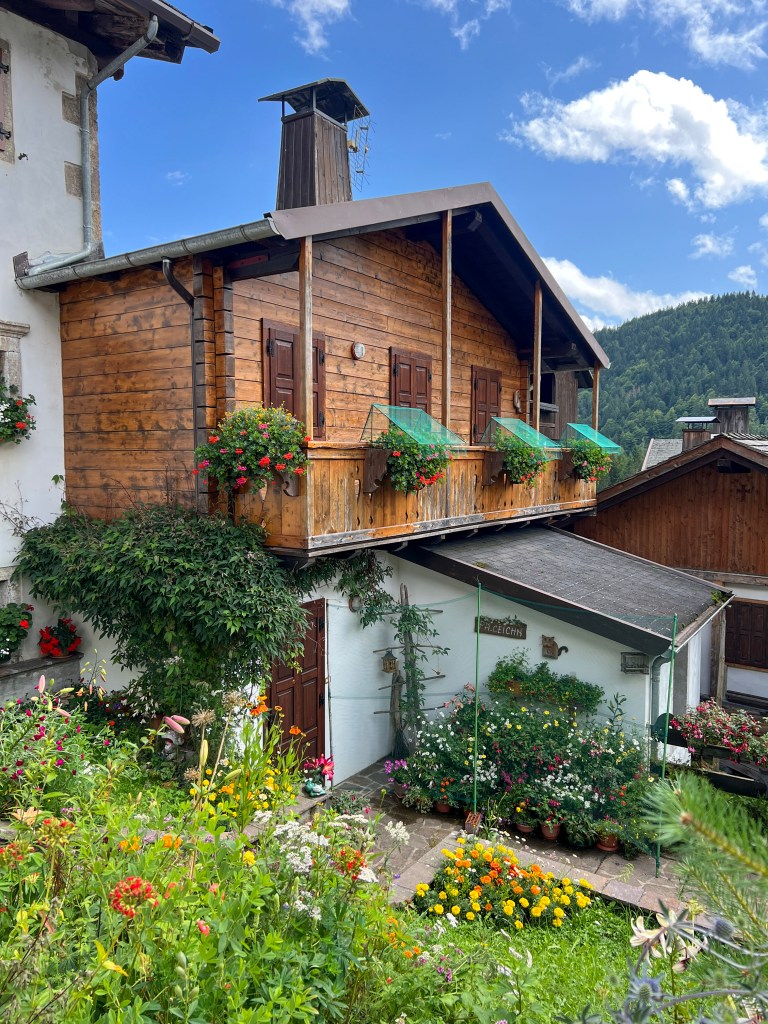
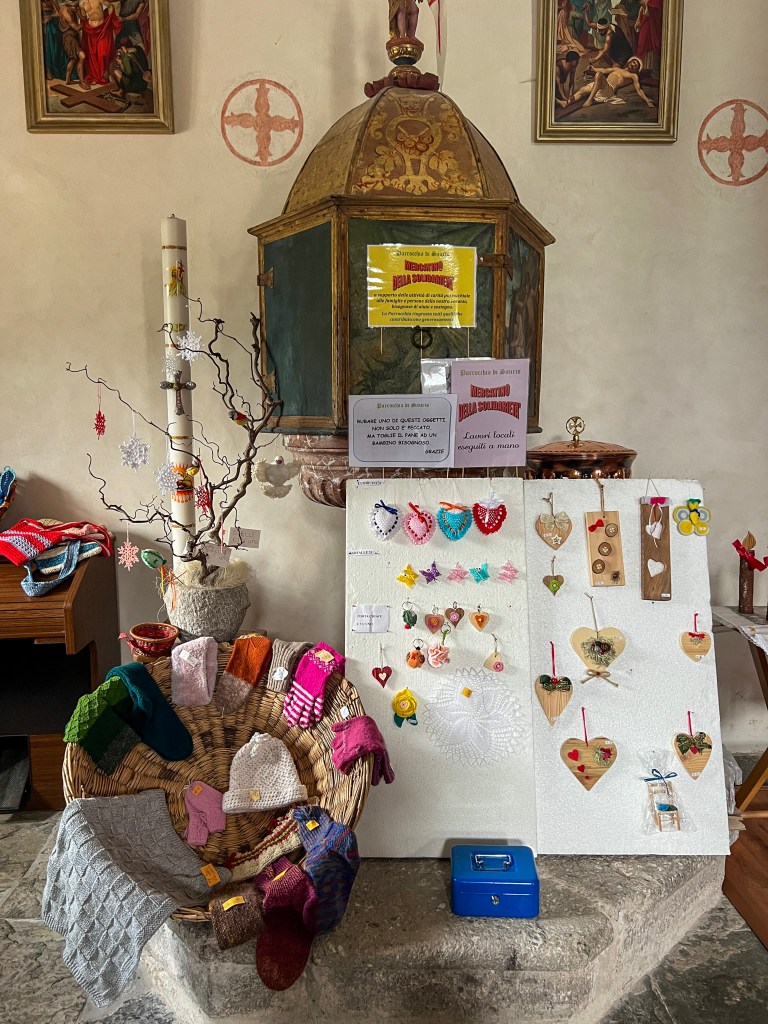
Sauris struck the right balance of relaxation, adventure, and cultural interest. There’s not a lot to “see” in the traditional sense of having a long list of museums and historic sites, but there’s plenty of things to explore – mountain trails to hike, small churches to visit, walks through the quaint villages, time at the spa, indulging in the local meats, cheeses, and beer, and just enjoying the beauty of this unique corner of Italy. It is truly a little oasis in the mountains – a wonderfully surprising place for those committed travelers who choose to make the journey to this corner of Fruili Venezia Giulia.


I want to visit this area to do ‘nothing’. It sounds very restorative.
LikeLike